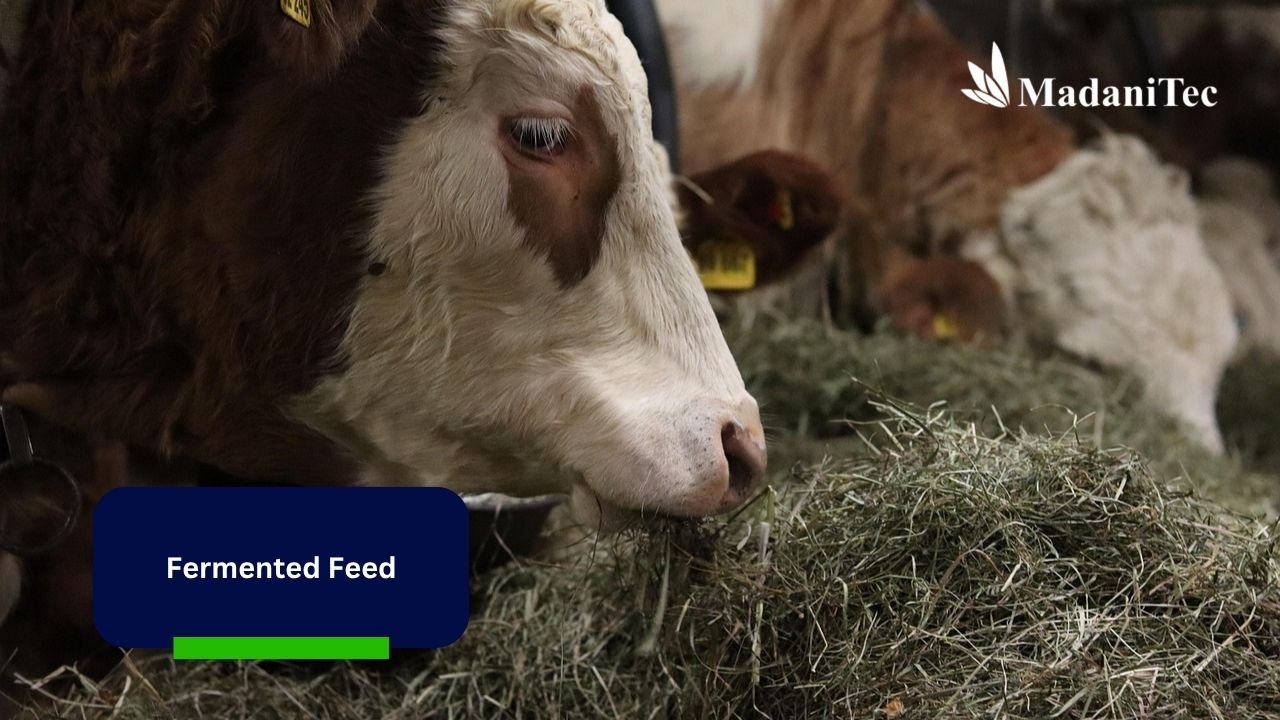
Fermented feed is a highly beneficial type of animal feed. Through the fermentation process, feed ingredients become easier to digest for livestock such as goats and cattle.
The use of fermented livestock feed is also known to reduce operational costs in farming businesses. Feed tends to last longer and is less likely to spoil.
In addition, this method offers a practical solution for farmers who want to improve livestock productivity without having to significantly increase feed portions.
Types of Fermented Feed
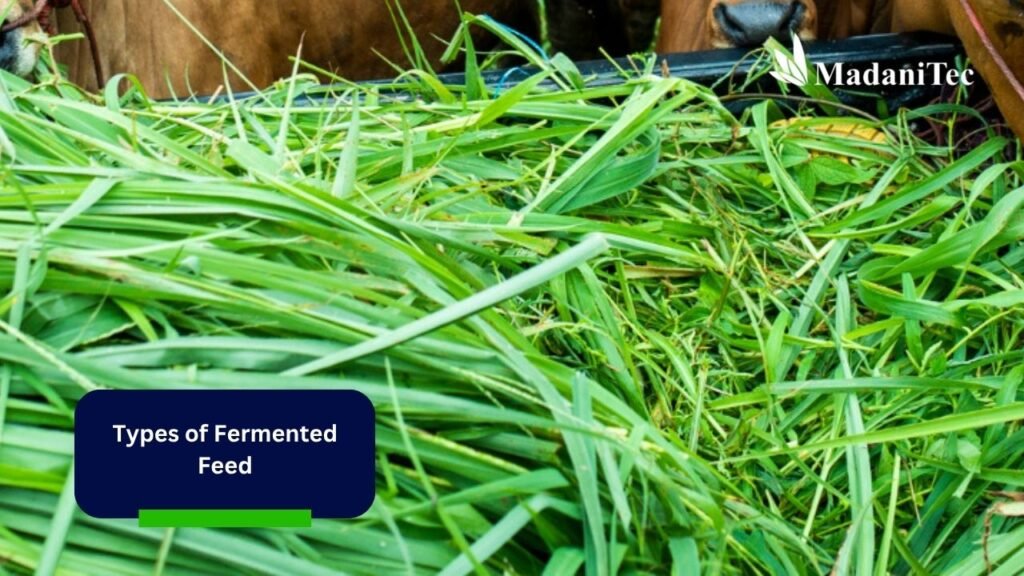
This type of feed can be produced in several forms, depending on the raw materials, livestock needs, and storage methods.
Each form has its own characteristics that affect shelf life, ease of feeding, and feed consumption levels.
In general, there are several forms most commonly used by farmers. Here is a brief explanation.
1. Wet Form
Wet fermented feed is the most common type found on small to medium-scale farms. This feed has a relatively high moisture content and is usually given directly to cattle or goats after the fermentation process is completed.
Common materials used include fresh grass, straw, bran, or agricultural waste mixed with a fermentation starter. This wet form has a distinctive fresh sour aroma that livestock typically find appealing.
2. Semi Dry Form
The second form is semi-dry. Its moisture content is lower than the wet form, making its shelf life generally longer.
Semi-dry feed is suitable for farmers who want to store feed supplies for several days without worrying about rapid spoilage.
Usually, the raw materials are chopped first to ensure uniform size and optimal fermentation. The semi-dry form is also easier to handle during feeding.
3. Silage Form
Fermented feed in silage form is produced through an anaerobic fermentation process (without air) using forage materials such as elephant grass, corn, or other plant leaves.
Silage is known for its excellent storage durability and can last for several months if stored properly.
This type is highly suitable for farmers who want to ensure feed availability during the dry season. In addition, silage helps maintain stable nutritional quality over a long period.
Benefits of Fermented Feed
1. Improves Livestock Appetite
Fermented feed has a distinctive aroma produced during fermentation that is generally preferred by livestock such as goats and cattle. This aroma encourages animals to eat more eagerly, resulting in better feed consumption.
2. Supports Easier Digestion
The fermentation process helps break down coarse fibers and complex feed materials into simpler forms. As a result, nutrients in the feed can be absorbed more efficiently by the animal’s body.
3. Reduces Feed Costs
Using this feed allows farmers to utilize locally available materials such as grass, straw, or agricultural by-products. This helps reduce dependence on commercial feed, which is typically more expensive.
4. Promotes Faster Weight Gain
Livestock that consume fermented feed regularly tend to experience more stable growth. Improved nutrient absorption contributes to faster weight gain within a relatively shorter period.
5. Extends Feed Shelf Life
The fermentation process creates an acidic environment that inhibits the growth of spoilage microorganisms.
As a result, livestock feed can be stored longer without experiencing significant quality deterioration.
To make the fermented feed production process faster and more efficient, feed materials should be chopped into uniform sizes before fermentation.
Using an organic waste crusher machine helps speed up the fermentation process, improve feed quality, and save farmers both time and labor.
With smaller and more consistent material sizes, fermentation microorganisms can work more effectively, allowing nutrients in the feed to be absorbed more easily by livestock.
Therefore, using a shredding machine is a practical solution for farmers who want to consistently improve the efficiency of fermented feed production.
Get the best organic shredding machine from Madanitec by contacting our team at 081215778768 today, and experience faster, more efficient, and more profitable livestock feed production.