
Corn is one of the most versatile grains because it can be used directly in recipes or processed into other food ingredients, such as fine corn flour. Corn flour has a smooth texture and is widely used in various foods and beverages.
For example, it can be used in ice cream and many other recipes. You can learn how to make corn flour at home, and if done properly, the results can be used for food products, animal feed, or even sold in raw form. The process is simple and has a high success rate.
If you are searching for a practical guide on how to make corn flour, this step-by-step explanation will help you understand the entire process clearly. Turn this knowledge into a meaningful and productive experience. Let’s follow the steps below so you can produce your own corn flour independently.
How to Make Corn Flour at Home
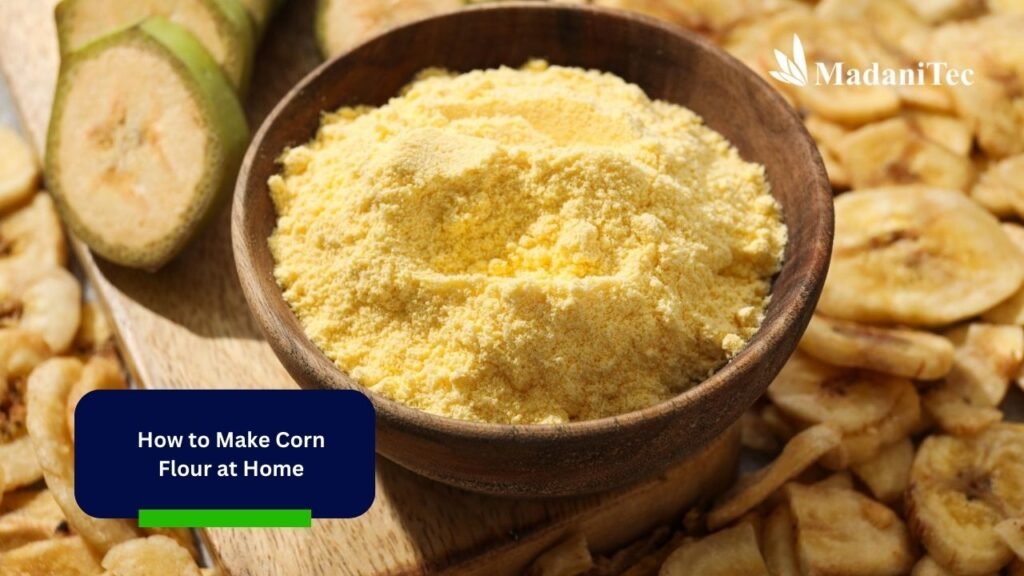
Corn flour is commonly used in food production. Understanding how to make corn flour properly allows you to control the quality of the raw materials and achieve better results. The process only requires one main machine.
Follow this guide carefully. Here’s the proper way to make corn flour at home if you want consistent and high-quality results.
1. Harvest the Corn
The first step in how to make corn flour is harvesting the corn at the right time. Proper timing is very important.
Avoid harvesting too early, as the kernels may still be small and underdeveloped. However, do not harvest too late either, since the corn can lose its natural sweetness.
For dry corn kernels, the ideal harvest time is around 80–110 days after planting, or when the plant has reached full maturity.
After harvesting, gather all the corn in one place, cut the ears from the stalks, and prepare for the next step.
2. Clean the Corn
Freshly harvested corn usually has dust and dirt attached to it. If not cleaned properly, it may affect food safety.
Wash all the harvested corn thoroughly until no dirt or residue remains. Soak it for about 15 minutes to ensure it is completely clean.
3. Dry the Corn
After washing, it’s time to dry the corn under direct sunlight. Before drying, rinse it once more to make sure it is completely clean.
Spread the corn evenly and let it dry under hot sunlight for about one hour, or until the surface moisture is reduced.
4. Separate the Kernels from the Cob
The next step is removing the kernels from the cob. You can use a knife or a corn sheller to separate them safely without injuring your hands.
5. Dry the Kernels Again
Once the kernels are removed, do not grind them immediately. They need to be dried again to further reduce the moisture content. Lower moisture helps produce finer, longer-lasting flour that does not clump easily.
This second drying process can be done traditionally under the sun or by using a grain dryer machine for faster and more even results.
If using a drying machine, simply place the shelled kernels evenly inside the drying chamber. Turn on the machine and let it run while checking periodically. Once the desired dryness level is reached, turn off the machine and remove the kernels for the next step.
6. Grind the Kernels into Flour
The final step in how to make corn flour is grinding the dried kernels using a corn mill machine (disk mill). This process requires patience and attention, but the results are worth it.
Proper grinding produces finer and more consistent flour. Make sure the dried kernels are completely ready before milling.
Before starting, prepare a container or sack to collect the flour. Check the fuel (if applicable) and ensure the machine is in good condition. Turn on the machine and adjust the rotation speed according to your needs.
Feed the kernels gradually into the hopper so the machine can grind smoothly without clogging. Once finished, turn off the machine and clean any remaining flour dust to keep the machine durable and ready for future use.
Tips for Storing Corn Flour
Store your corn flour properly to keep it fresh and ready for use anytime. Proper storage is also an important part of how to make corn flour successfully. Here are some simple storage tips:
- Keep it in a dry place, such as a shelf away from moisture.
- Monitor room temperature and humidity to maintain flour quality.
- Store it in an airtight container.
- Avoid placing it near onions, chili peppers, durian, or other strong-smelling foods.
- Check it periodically to monitor its shelf life.
That’s the complete guide on how to make corn flour at home. Now, all you need is the right machine to get started.
Madanitec can help you choose the right milling machine for your needs. We provide ready-to-use grinders with various power options. Contact us at 081215778768 for pricing and orders.