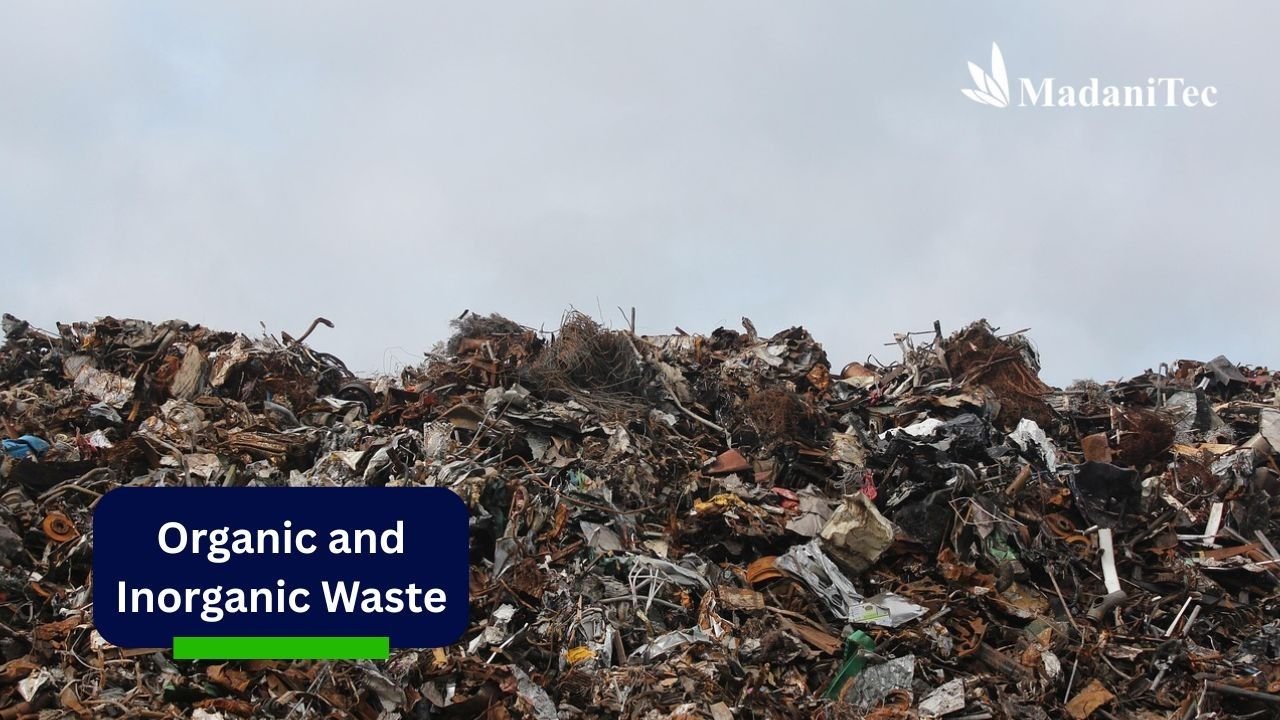
Waste comes from natural processes and human activities. It can be categorized into two main types: organic waste and inorganic waste. Proper management of both is essential.
Improper disposal not only clutters spaces but can also lead to environmental problems. Fortunately, waste can be transformed into useful products, such as fuel and fertilizer.
In this article, we will explore the similarities and differences between organic and inorganic waste. Ready? Let’s dive in.
Similarities Between Organic and Inorganic Waste
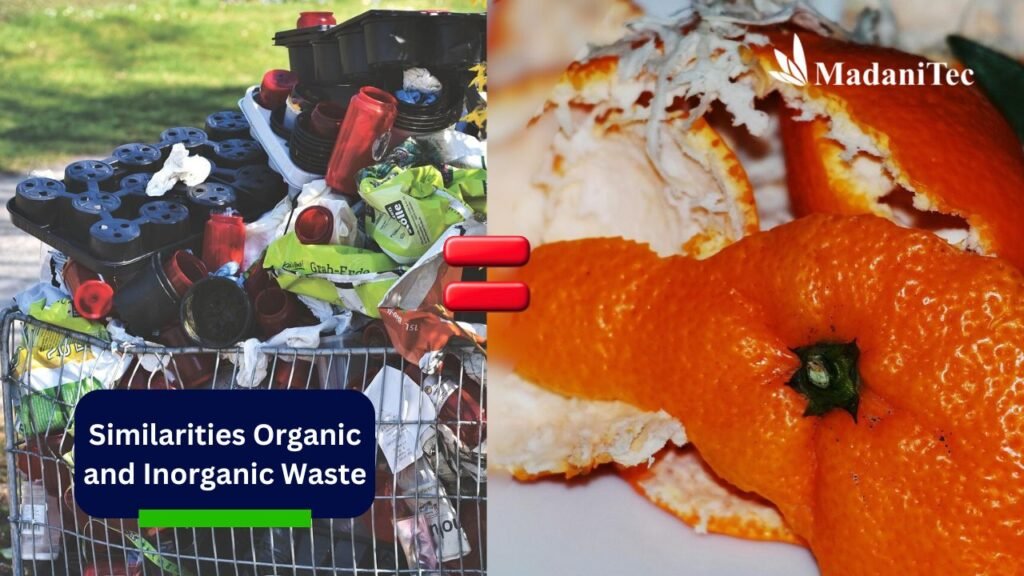
Both Belong to the Waste Category
Organic waste comes from living organisms, such as leftover food and fallen leaves.
On the other hand, inorganic waste originates from non-living materials, such as glass, plastic, and metal. Both types require careful handling to prevent pollution.
Can Cause Health and Environmental Issues
Both organic and inorganic waste can pose health and environmental risks.
Organic waste left unattended often produces unpleasant odors and attracts pests like rats or flies, increasing the risk of disease.
Meanwhile, inorganic waste can harm soil quality. Hazardous components may seep into the ground, posing long-term risks to humans, animals, and plants.
Proper management from the source to final disposal is crucial for both types of waste.
Can Be Turned into Useful Products
Organic waste such as vegetables, wood, and leaves can be transformed into valuable products. Vegetables and leaves can become compost, while wood can be processed into sawdust for briquettes.
Inorganic waste, which decomposes slowly, can also be repurposed. For example, plastic bottles and cans can become plant pots, and some inorganic waste can be converted into fuel, like Refuse Derived Fuel (RDF).
RDF is an alternative fuel that industries, such as cement factories, use to reduce fossil fuel consumption.
You Might Also Like: Organic Waste Crusher Machine: Definition, Benefits, and Maintenance
Often Collected Together
In many cases, organic and inorganic waste are collected in the same place before being processed or disposed of.
This is common in homes, markets, offices, schools, and other facilities. Accumulation can create unsanitary conditions, so waste must be handled promptly.
Differences Between Organic and Inorganic Waste
Organic Waste Decomposes Quickly
Organic waste breaks down naturally and relatively fast. For example, elephant grass decomposes in about 2–3 months, depending on environmental factors such as moisture and sunlight.
Other fast-decomposing organic materials include leftover vegetables, dried leaves, and fruit peels, all of which can return nutrients to the soil.
Inorganic Waste Decomposes Slowly
Inorganic waste is often used in daily life, such as sacks for storing vegetables. These materials require special recycling processes to be reused.
Odor Differences
Organic waste typically emits a strong odor due to decomposition. In contrast, most inorganic waste does not smell unless it contains certain chemicals. Proper handling and ventilation are especially important for organic waste.
Characteristics
Organic waste contains a high amount of water, which accelerates decomposition.
Most inorganic waste, however, is made from synthetic or processed materials, with little to no water content.
This affects how each type is processed: organic waste can be composted or digested, while inorganic waste often undergoes recycling.
Tips for Sorting Organic and Inorganic Waste
Sorting waste properly is essential to avoid mess and inefficiency. Here are some practical tips:
Provide separate bins for organic and inorganic waste to prevent mixing. Identify the type of waste before disposal to ensure it goes in the correct bin.
Cut or shred organic materials like vegetables and dried leaves to speed up decomposition or facilitate composting.
Keep hazardous or chemical waste separate from regular trash. Label each bin clearly so everyone knows where to dispose of different types of waste.
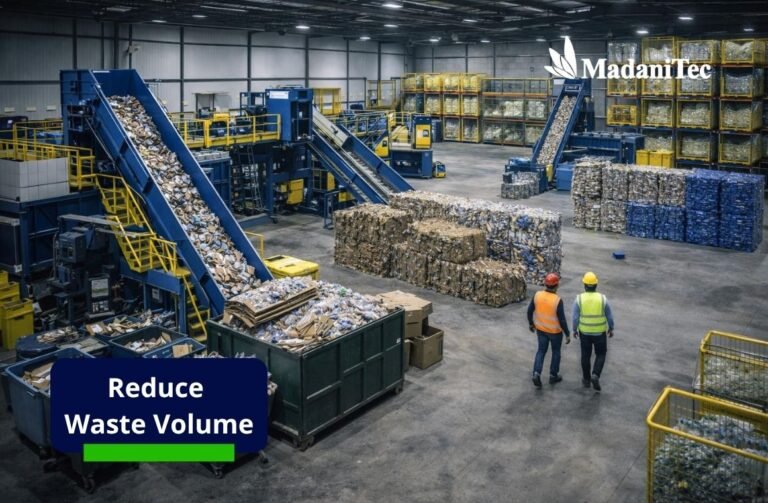
We also offer solutions to make waste sorting faster and easier. Use a waste sorting machine for better results, available at Madanitec.
Madanitec has been producing machines for managing organic and inorganic waste since 2009.
Contact us via WhatsApp at 081215778768 for inquiries about prices, specifications, ordering, and special offers!