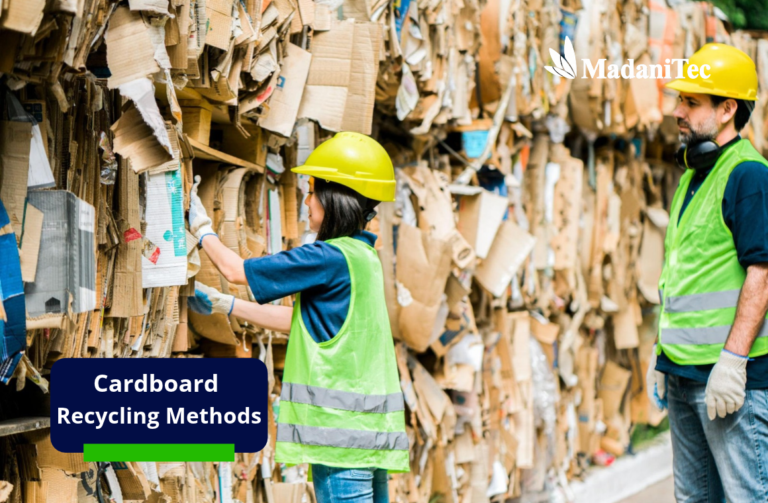
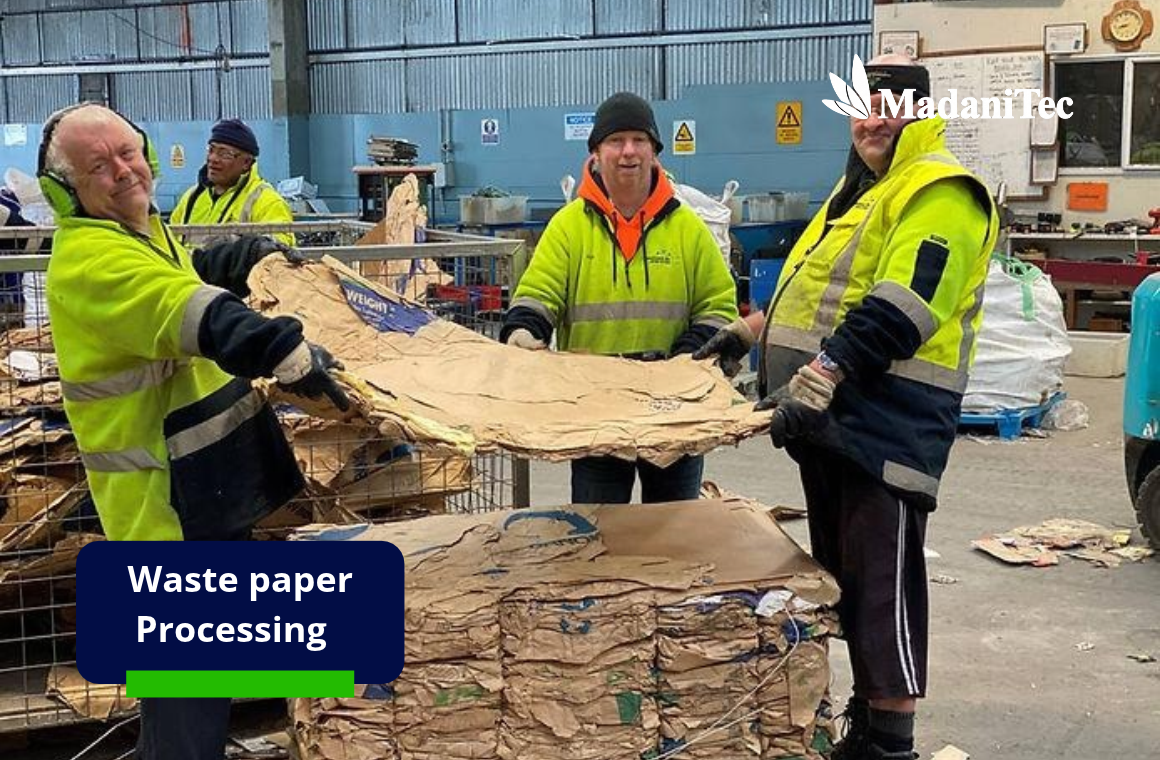
Waste paper processing is an important step in managing discarded paper and cardboard more effectively. From office documents and packaging materials to corrugated cardboard boxes, paper waste can accumulate quickly in businesses, warehouses, and manufacturing facilities. Without proper handling, these materials may take up valuable storage space and become more difficult to sort or reuse.
Instead of treating all used paper as unwanted waste, businesses can identify suitable materials, prepare them for further processing, and direct them toward appropriate recycling or reuse pathways. Understanding each stage helps improve material handling, reduce avoidable waste, and support more organized waste-management practices.
Why Is Waste Paper Processing Important?
Paper and cardboard are widely used in offices, retail operations, logistics, and manufacturing. As a result, these activities can generate substantial amounts of discarded packaging and paper products.
Proper processing helps businesses separate recoverable materials from waste that requires different treatment.
It can also make storage and transportation more manageable, especially when cardboard boxes and loose paper occupy considerable space.
For recycling businesses, consistent preparation can improve the quality of collected materials.
However, the value of recovered paper depends on factors such as material condition, contamination, local market demand, and the requirements of recycling facilities.
Types of Paper Waste Suitable for Processing
Not all paper waste has the same characteristics. Identifying the material type is an essential step before deciding how it should be handled.
Office Paper and Used Printing Paper
Office paper includes discarded documents, printing paper, and other paper-based materials. Clean, uncoated paper may be suitable for recycling, depending on the requirements of the receiving facility.
Paper containing plastic coatings, adhesives, or other contaminants may require separate handling.
Confidential documents should also be managed according to appropriate data-protection procedures before being sent for recycling.
Corrugated Cardboard and Packaging Waste
Corrugated cardboard is commonly generated by warehouses, retail stores, shipping operations, and manufacturing businesses. Although it is widely recyclable, its condition matters.
Cardboard that is clean and dry is generally more suitable for recycling than material contaminated with oil, food residue, or excessive moisture.
Removing tape, plastic wrapping, and other unwanted materials can help prepare cardboard for subsequent processing.
Learn more about: Eco-Friendly Packaging from Waste Paper: A Sustainable Solution for Modern Businesses
Steps in the Waste Paper Processing Process
An effective waste paper processing workflow begins with material identification and continues through preparation and delivery to an appropriate reuse or recycling pathway.
The exact steps depend on the type of paper and the intended application.
1. Collecting and Sorting Used Paper
The first step is to collect paper waste from its source and separate it according to material type.
Office paper, corrugated cardboard, coated paper, and heavily contaminated materials should not automatically be treated as one category.
Sorting at the collection stage helps prevent contamination and makes subsequent handling more consistent. Businesses can also establish separate collection points to simplify daily waste-management activities.
2. Removing Contaminants and Preparing Materials
After sorting, inspect the materials for tape, plastic components, food residue, metal objects, and other unwanted substances. Remove contaminants where practical and appropriate.
Keeping recoverable paper dry is also important because excessive moisture can affect material quality and storage conditions.
Materials that cannot be accepted by the intended recycling facility should be separated rather than mixed into the main collection.
3. Reducing Material Size for Further Processing
Depending on the intended process, paper and cardboard may need to be cut, flattened, baled, or shredded. Reducing material size can make certain handling and processing operations more manageable.
A shredding machine may be useful when a business needs to reduce suitable paper or cardboard into smaller pieces.
The appropriate equipment depends on the material thickness, required output size, processing volume, and the next stage of the workflow.
Shredding is not necessary for every recycling route. Some facilities accept flattened cardboard or baled paper directly, so businesses should confirm the receiving facility’s requirements before investing in additional processing equipment.
4. Sending Materials for Reuse or Recycling
Once prepared, materials can be directed to suitable recycling facilities or other approved recovery processes.
Recovered paper may be used as a raw material for producing new paper-based products, depending on its quality and the recycling process.
Some paper products require additional pulping, cleaning, and separation before they can be turned into new materials.
Therefore, shredding alone does not complete the recycling process; it is only one possible preparation stage.
The Role of Shredding in Paper and Cardboard Processing
Shredding can support waste-management operations when smaller material sizes are needed for a particular application.
For example, a business processing suitable paper waste may use a shredder to prepare materials for a downstream process that accepts shredded feedstock.
Before choosing equipment, operators should consider the type and thickness of the material, expected daily volume, required particle size, available workspace, and maintenance needs.
Cardboard can behave differently from thin office paper, so equipment suitability should be confirmed rather than assumed.
It is also important to consider workplace safety. Operators should follow the manufacturer’s instructions, keep hands away from moving parts, use the required protective measures, and establish safe procedures for clearing jams and performing maintenance.
Challenges in Processing Paper and Cardboard Waste
Several challenges can affect the consistency of paper waste processing. Mixed materials may be difficult to separate, while wet or contaminated paper may have limited recycling options.
Inconsistent collection practices can also increase sorting time and reduce the quality of recovered materials.
Space is another consideration, especially for businesses that generate bulky cardboard packaging.
Establishing dedicated storage areas, separating materials at the source, and arranging regular collection can help maintain a more orderly workflow.
For operations that handle large volumes, it may be useful to evaluate whether manual preparation remains practical or whether suitable processing equipment could improve efficiency.
Any investment should be based on actual material volumes and operational requirements.
How to Improve Waste Paper Processing Efficiency
Businesses can improve their workflow by introducing a few practical measures.
First, establish clear sorting procedures and train workers to identify different paper materials. Second, keep recoverable paper dry and separate from substances that may contaminate it.
Third, review how much waste is generated and how frequently it needs to be collected or processed.
This information can help businesses determine whether changes to storage arrangements, collection schedules, or equipment are justified.
Finally, coordinate with recycling partners before changing processing methods.
Confirming material specifications and acceptance requirements can prevent unnecessary processing and help ensure that prepared materials remain suitable for their intended destination.
Learn more about: How to Safely Destroy Confidential Documents Without Risking Data Exposure
Conclusion: Making Waste Paper More Valuable Through Better Processing
Waste paper processing involves more than collecting discarded paper. Sorting, removing contaminants, preparing materials, and choosing the right recovery pathway all contribute to more effective waste management.
For businesses handling larger quantities of paper and cardboard, suitable processing equipment may help support a more organized workflow. The right choice depends on the material, required output, and scale of operations.
Madanitec provides machinery and processing solutions to support business and waste-management needs.
If your operation is exploring ways to handle paper or cardboard waste more efficiently, you can discuss your material characteristics and processing requirements with the Madanitec team to identify an appropriate solution.
For consultations regarding machines and appropriate technology solutions for various processing and production needs, please contact the Madanitec team via WhatsApp at 081215778768.