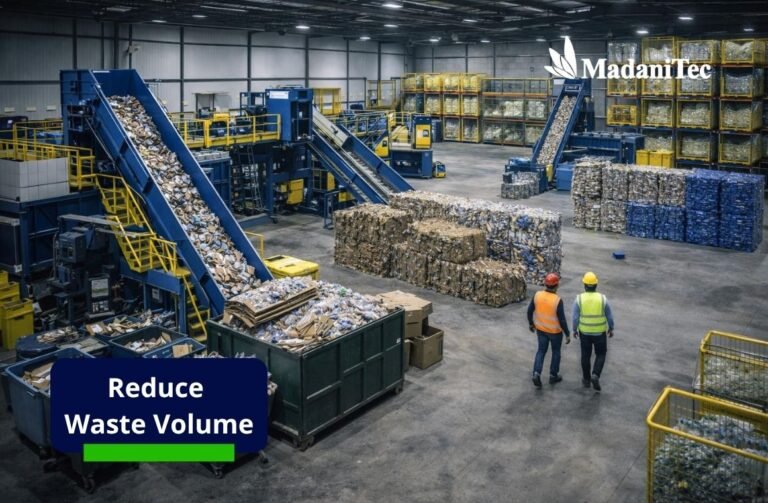
Cardboard is a material commonly used for product packaging. However, after use, it often ends up piled up without a clear purpose. Cardboard recycling is an effective way to reduce waste volume while improving material utilization and quality.
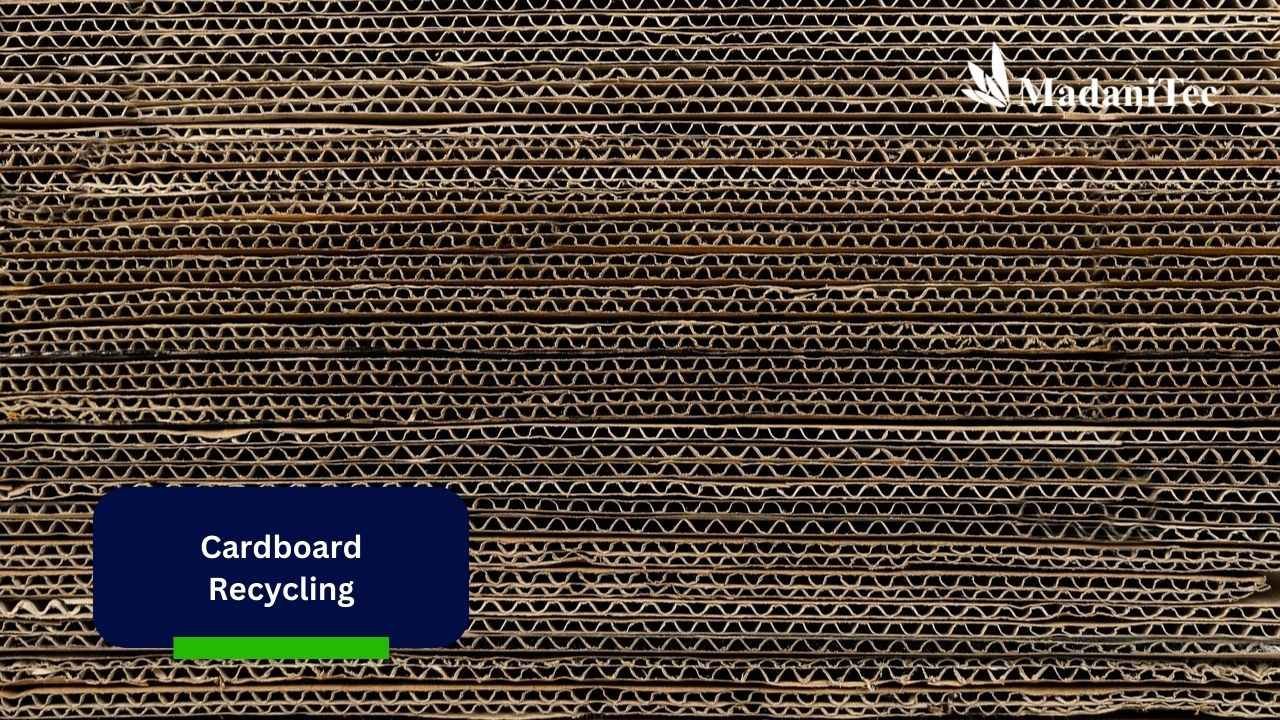
Physically, cardboard consists of thin and thick layers. The thicker the cardboard structure, the stronger its durability. However, thicker cardboard also presents greater challenges during processing.
If a proper waste management system is not applied, cardboard can fill storage areas and reduce operational efficiency.
To avoid this, consider implementing modern and effective cardboard recycling methods to produce high-quality recycled products.
What Is Cardboard Made Of?
Corrugated cardboard is generally made from wood fibers derived from specific tree species. The primary raw material used is pulp.
Pulp is processed wood transformed into fine fibers that form the structural base of cardboard. Pine wood fibers are often used because they are long and strong.
This characteristic improves corrugated box durability. In addition, hardwood species such as oak and birch produce shorter fibers.
Shorter fibers help create smoother and more uniform cardboard surfaces. Besides new wood materials, cardboard may also contain recycled paper fibers.
The use of recycled fibers plays an important role in reducing environmental impact and lowering the demand for new raw materials in cardboard production.
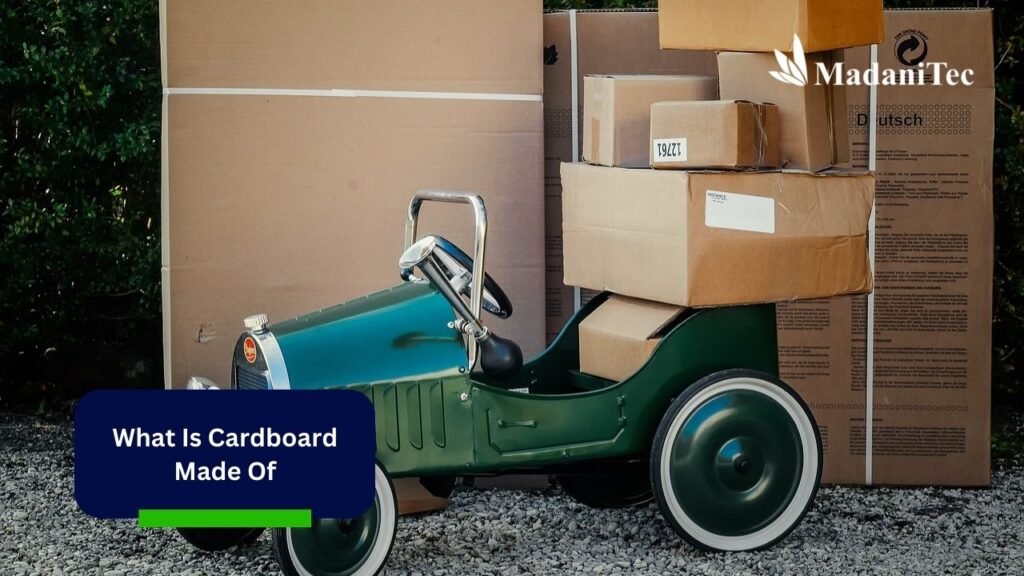
People often use cardboard as packaging material for products ranging from small items to large shipments.
You Might Also Like: 5 Easy Ways to Process Waste at Home, It’s Simple!
Why Is Cardboard Recycling Necessary?
Recycling used materials such as cardboard helps protect the environment. Reusing materials while they are still usable can significantly reduce waste generation and environmental pollution.
Several reasons make recycling important:
1. Reduce Expenses
Without realizing it, using cardboard as storage material or transforming it into useful products can help reduce expenses.
First, it saves money that would otherwise be spent on purchasing new storage containers. As long as cardboard is available, it can be more than sufficient.
Second, making handmade products from cardboard can be more economical than buying ready-made items. Instead of purchasing crafts, you can create and even sell them to others.
2. Generate Additional Income
As mentioned above, properly processed inorganic waste can generate additional income when sold to collectors or transformed into valuable products.
To increase its market value, used materials should be processed and designed attractively so they resemble new products.
What Are the Environmental Benefits of Cardboard Recycling?
Besides benefiting users, cardboard recycling also plays an important role in environmental protection.
1. Reducing Landfill Waste Volume
Cardboard recycling helps reduce the amount of waste sent to landfills. Cardboard is one of the most common types of waste generated by households and the logistics industry.
Poor waste management can cause cardboard piles to occupy large spaces and quickly fill landfill capacity.
Through recycling, used cardboard can be collected, compressed, and processed into new products.
2. Reducing Greenhouse Gas Emissions
Producing new cardboard requires tree cutting, wood processing into pulp, and distribution processes that generate carbon emissions.
By recycling, the demand for new raw materials can be reduced. Energy consumption and industrial processes that produce greenhouse gases can also be minimized.
In addition, cardboard piles that decompose in landfills can produce methane gas, contributing to global warming. Recycling helps reduce the potential release of harmful emissions.
How to Recycle Cardboard
After understanding the importance of cardboard recycling for the environment and storage efficiency, the next step is learning how to process it properly.
These two methods not only reduce waste volume but also add higher material value.
1. Compressing Cardboard
Unused cardboard can be compressed using a hydraulic press machine to significantly reduce its volume. This method helps reduce storage size, making stacking and storage easier.
Modern compression using machines helps save limited storage space and improves the next processing stage.
Hydraulic press machines also make cardboard waste easier to stack and maintain an organized shape, improving logistics efficiency.
2. Shredding Cardboard into Small Pieces
After compression or sorting, cardboard can be further processed using a paper shredder machine to cut waste into small pieces.
This shredding process helps prepare cardboard for pulp processing. Smaller particle sizes accelerate recycling processes and produce more uniform raw materials for paper or other recycled products.
Examples of Cardboard Recycling Crafts
You can try creating various cardboard crafts such as:
- Castle toys
- Rocket toys
- Robot costumes
- Miniature buildings
- Playhouses
- Fighter jets
- Fashionable hats
- Magician hats
- Cardboard boats
- Toy trains
- Toy cars
- Wooden horse toys
- Pencil boxes
- Pet houses
- Tissue holders
- Photo frames
- Decorative lamps
- Mini bookshelves
- Cardboard piggy banks
- Educational puzzles
- Simple game boards
- Small bags
- Phone stands
- Cardboard dolls
- Picture frames
Interested in Procuring a Cardboard Processing Machine? Madanitec Is the Solution
If you want to procure machines to support cardboard waste processing in your office, several machine options are available according to your business needs.
We provide manual press machines and hydraulic press machines that can efficiently compress cardboard waste. In addition, we also manufacture versatile paper shredders to make cardboard and plastic shredding easier.
Press machine options are available in vertical and horizontal configurations. You can choose according to production capacity and workspace requirements.
If you need a more effective and modern cardboard recycling solution, Madanitec is ready to provide high quality machines. Contact 081215778768 for information and orders.
Source: