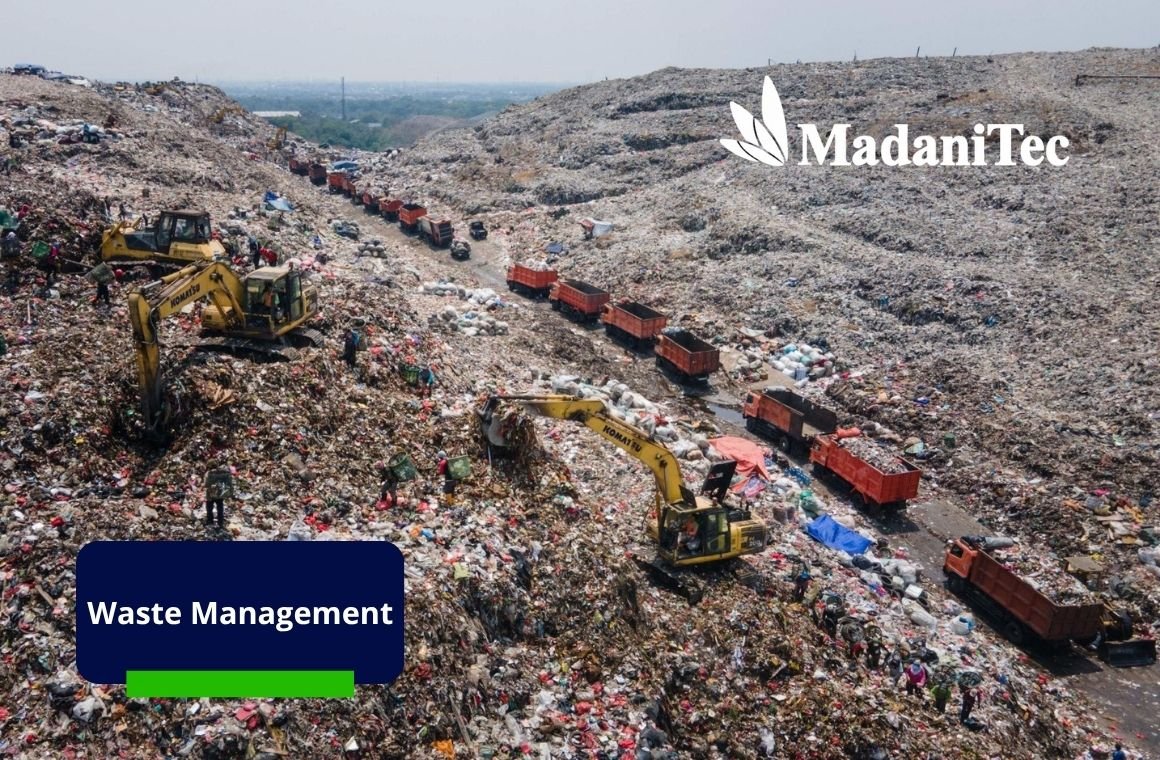
Waste management has become an increasingly important challenge for Indonesia as waste continues to be generated every day by households, markets, offices, factories, and various economic activities. The problem is that the growing volume of waste is not always matched by adequate management capacity. As waste generation continues to rise, the critical question is no longer simply where waste is disposed of, but how it can be properly managed before it ever reaches the landfill.
According to data from Indonesia’s Ministry of Environment/Environmental Impact Management Agency, the country generates approximately 56.63 million tons of waste annually based on government-reported figures. Of this total, only around 39.01%, or 22.09 million tons, is recorded as successfully managed.
These figures highlight a fundamental challenge: Indonesia’s waste management system can no longer depend solely on landfills as the final destination for waste. A more comprehensive approach is needed, starting with waste reduction and sorting at the source, followed by recycling, processing, and the utilization of waste as a potential resource.
When Landfills Become the Final Destination for All Waste
For years, waste management systems have largely relied on a “collect, transport, and dump” model. Waste is gathered at the source, transported by vehicle, and ultimately ends up in a landfill.
Problems arise when the volume of incoming waste outpaces processing capabilities and available facility capacities. Waste that still holds potential value ends up mixed together, becoming an additional burden on landfills.
This situation is also linked to the practice of “open dumping,” where waste is piled in open areas without adequate management or safety systems.
The government is now firmly pushing to end this practice, with a target to eliminate all open dumping sites by 2026.
This means that the waste problem cannot be solved simply by building or expanding landfills; the entire system needs to be transformed from upstream to downstream.
You Might Also Like: Types of Plastic Waste That Can Be Recycled, Here They Are!
Reducing Waste Before It Reaches the Landfill
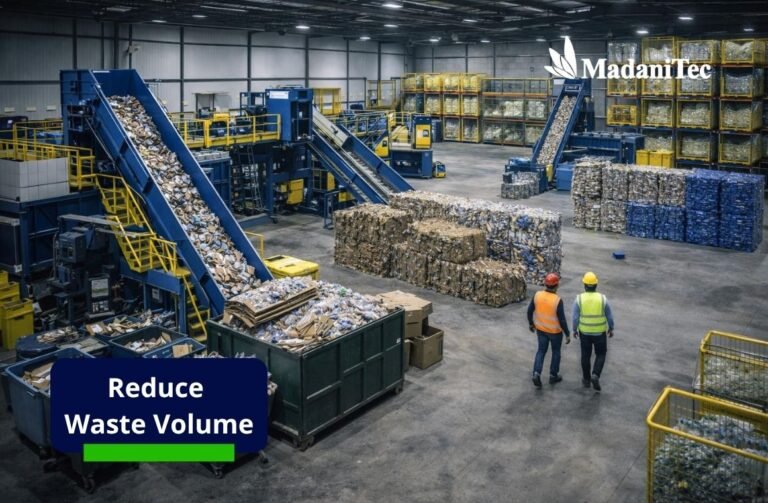
One of the most crucial shifts in waste management is reducing the volume of waste sent to landfills.
This process can begin with sorting waste based on material type. Organic waste can be diverted for composting or other forms of processing, while materials such as plastic, paper, metal, and certain inorganic items can enter the recycling stream.
Sorting facilitates subsequent processing stages because materials are no longer mixed together. Waste with economic value can also be recovered as raw material rather than simply being treated as refuse destined for disposal.
The National Waste Management Information System (SIPSN) provides data on waste management and facilities across various regencies and cities in Indonesia, supporting efforts to establish a more integrated management system.
So, what happens to waste that cannot be recycled?
Not all waste can be easily recycled. Materials that are contaminated, have low economic value, or are difficult to reprocess still require proper handling.
Refining processing technologies is crucial. Certain types of waste can undergo processes ranging from sorting, shredding, and drying to conversion into alternative fuels, such as Refuse-Derived Fuel (RDF).
The concept is not merely about moving waste from one location to another, but rather reducing the volume of material sent to landfills while simultaneously utilizing waste components that still hold energy potential.
With this approach, landfills should serve as the final stage of the waste management system, rather than the primary destination for all generated waste.
You Might Also Like: 5 Easy Ways to Process Waste at Home, It’s Simple!
Will Landfills Be Eliminated?
The answer is not a simple yes or no.
For 2026, the Ministry of Environment (KLH/BPLH) has affirmed that landfills will not be completely shut down. What is being discontinued is the practice of open dumping.
Landfills are being encouraged to transition to safer systems—such as controlled or sanitary landfills—which include leachate management to prevent environmental pollution.
Thus, the future of waste management does not imply that Indonesia no longer needs landfills; rather, the role of landfills within the waste management system is evolving.
From Waste to Resource
Ultimately, the issue of waste is not just about the environment; it is also about how materials that still possess value can be repurposed.
Sorting, recycling, composting, shredding, and processing waste into RDF are examples of approaches that can reduce reliance on landfills.
Such systems align with the concept of a circular economy, which aims to preserve the value of materials and keep them in use for as long as possible.
Consequently, the question “Where will Indonesia’s waste go?” should shift to “How can we prevent waste from ending up in landfills?”
The challenge is significant, yet the direction of change is becoming increasingly clear. Waste management requires collaboration among the public, local governments, businesses, industries, waste operators, and technology providers. If action is taken at the source, landfills will no longer be the sole answer to Indonesia’s waste problem.
After all, the solution to the waste issue is not about how to dispose of more waste, but rather how to reduce the volume sent to landfills and transform as much waste as possible into valuable resources.
Madanitec — providing technology and machinery solutions to support waste processing and the development of circular economy-based businesses, Indonesia’s waste issues.
Affordable prices and reliable quality are supported by after sales service and warranty with every purchase. Do not hesitate to contact 081215778768 via WhatsApp and get a special offer today.
Indonesia waste management and landfill challenges