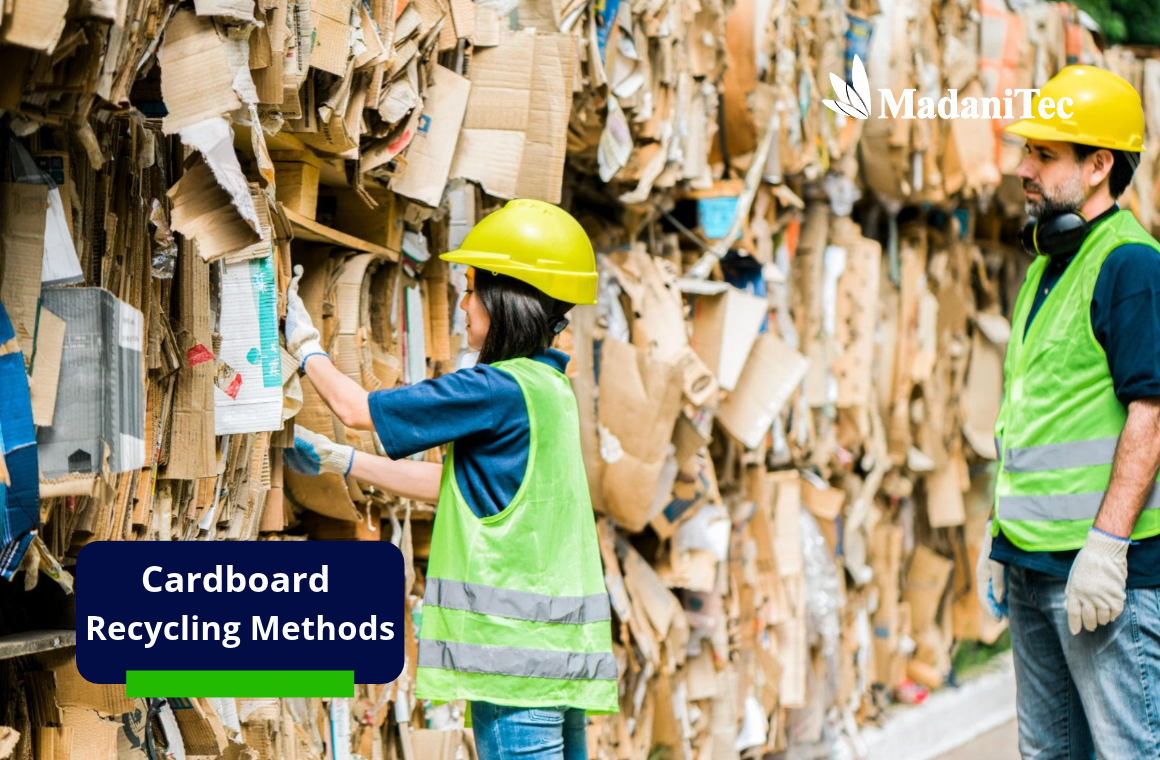
Cardboard is widely used in packaging, shipping, retail, and manufacturing. As businesses and households receive more packaged goods, discarded cardboard can quickly accumulate and become a waste-management challenge. Understanding different cardboard recycling methods helps people identify suitable materials, reduce contamination, and prepare waste for recovery.
However, not all cardboard is made in the same way. Some types are easier to recycle through conventional paper-recycling systems, while others contain coatings or additional layers that require special handling. By recognizing these differences, businesses can manage cardboard waste more effectively and make better decisions about reuse and recycling.
Why Understanding Cardboard Recycling Methods Matters
Cardboard is a valuable source of recovered paper fiber, but its suitability for recycling depends on its composition and condition.
Clean, dry cardboard is generally easier to recover than material contaminated with food, oil, or other substances.
Using appropriate cardboard recycling methods can also improve collection and storage practices.
For businesses that generate large quantities of packaging waste, proper sorting may reduce handling difficulties and help keep recyclable materials separate from general waste.
The first step is to identify the cardboard type before deciding how to prepare it for recycling.
Learn more about: How to Process HVS Paper Waste and Turn It into Valuable Products
5 Common Types of Cardboard and Their Characteristics
1. Corrugated Cardboard
Corrugated cardboard is commonly used for shipping boxes and protective packaging. It typically consists of flat liner sheets with a fluted layer between them, providing strength and cushioning.
This material is widely collected for recycling when it is clean and dry. Flattening boxes and removing excessive tape, plastic inserts, and other unwanted materials can make storage and transportation more manageable.
2. Paperboard or Folding Carton
Paperboard is generally thinner than corrugated cardboard and is commonly used for cereal boxes, cosmetic packaging, and other retail cartons.
Many uncoated paperboard products can be recycled through suitable paper-recovery programs.
However, cartons with plastic linings, metallic finishes, or other composite materials may need to be handled differently. Check local recycling requirements before placing them in a collection stream.
3. Single-Layer Cardboard
Single-layer cardboard refers to relatively thin cardboard materials used in lightweight packaging, backing sheets, and dividers.
The term describes a general material structure rather than one universally standardized recycling category.
Depending on its composition, this material may be suitable for conventional paper recycling. Keeping it dry and separating it from coated or heavily contaminated materials helps improve sorting consistency.
4. Waxed or Coated Cardboard
Waxed or coated cardboard is designed to resist moisture and is sometimes used for produce, chilled goods, or food-related packaging.
Its protective coating can make recycling more complicated because conventional paper-recycling processes may not easily separate the coating from the paper fibers.
Acceptance varies by facility, so this material should be checked against local recycling guidelines rather than automatically mixed with ordinary cardboard.
5. Laminated Cardboard Packaging
Laminated cardboard contains additional layers, such as plastic film, foil, or other materials bonded to a paperboard base. Some beverage cartons and specialized packaging use this type of construction.
Recycling may require specialized facilities capable of separating the different components.
Before processing laminated packaging, identify its material composition and confirm whether an appropriate recovery program is available.
Cardboard Recycling Methods for Different Materials
Although the specific process varies, several practical steps can help prepare cardboard for recycling.
Sorting and Removing Contaminants
Separate cardboard by material type and condition. Remove loose plastic, excess tape, food residue, and other contaminants where practical.
Cardboard that is heavily soiled or unsuitable for the intended facility should be kept separate.
Flattening and Preparing Cardboard
Flatten empty boxes to reduce their volume and make storage easier. Keep prepared materials in a dry area to prevent moisture from affecting fiber quality.
Businesses can also establish designated collection points to reduce mixing between recyclable cardboard and general waste.
Shredding Cardboard for Specific Processing Needs
Some operations need cardboard reduced into smaller pieces before further processing. In these situations, a suitable cardboard shredding machine may help prepare material for a process that specifically requires smaller pieces.
The choice of equipment should reflect the cardboard’s thickness, expected processing volume, required output size, and intended application.
Shredding is not necessary for every recycling route, and it does not replace the pulping, cleaning, or other treatment stages that may follow.
Sending Materials to Appropriate Recycling Facilities
Once prepared, cardboard should be directed to a recycling facility or recovery partner that accepts the relevant material type.
Confirming acceptance requirements beforehand can prevent unnecessary processing and reduce rejected loads.
Common Challenges in Cardboard Recycling
One common challenge is contamination. Food residue, oil, and moisture can reduce the suitability of cardboard for some recycling processes.
Composite packaging also creates difficulties when paper fibers are bonded to materials that are harder to separate.
Another challenge is the volume of discarded boxes. Warehouses, stores, and factories may need dedicated collection areas and regular removal schedules to keep workspaces organized.
Clear sorting procedures, worker training, and communication with recycling partners can help businesses address these problems before they become larger operational issues.
How Businesses Can Improve Cardboard Waste Management
Businesses can improve cardboard recovery by separating materials at the source, keeping recyclable cardboard dry, and reviewing how much waste is generated each week or month.
For operations handling large volumes, it may be worth assessing whether additional equipment could support material preparation or reduce manual handling.
Decisions should be based on actual processing needs, available space, safety requirements, and the specifications of the intended recycling process.
Madanitec offers machinery and processing solutions for businesses exploring more efficient material handling.
Companies considering equipment for paper or cardboard waste can discuss their material characteristics and processing requirements with the team before choosing a suitable solution.
For consultations regarding machines and appropriate technology solutions for various processing and production needs, please contact the Madanitec team via WhatsApp at 081215778768.
Learn more about: Eco-Friendly Packaging from Waste Paper: A Sustainable Solution for Modern Businesses
Conclusion: Choosing the Right Cardboard Recycling Methods
Different cardboard types require different handling approaches.
Corrugated cardboard and many paperboard products can often enter conventional recycling streams, while waxed, coated, or laminated packaging may require specialized facilities.
By identifying materials, removing contaminants, preparing cardboard appropriately, and checking local recycling requirements, businesses can make their waste-management processes more organized.
When additional processing is necessary, suitable equipment can support the workflow as part of a broader recycling strategy.