For many years, industrial waste was viewed simply as something that needed to be collected, transported, and disposed of after the production process. Today, that perspective is beginning to change. Waste as a valuable resource is becoming an important concept as industries look for ways to recover materials, reduce resource losses, and improve overall production efficiency.
As manufacturing activities continue to grow, businesses are facing greater pressure to use raw materials more efficiently while controlling operational costs and environmental impacts. Materials such as plastic, cardboard, paper, wood residues, and agricultural waste may still contain useful value after their original purpose has ended. With the right processes and technology, some of these materials can be recovered, processed, and returned to productive use instead of immediately becoming disposal waste.
Why Is Industrial Waste No Longer Just a Disposal Problem?
Industrial waste is no longer simply an environmental issue. For modern businesses, it can also represent lost materials, additional handling requirements, transportation expenses, and missed opportunities for resource recovery.
The Growing Volume of Industrial Waste
Manufacturing activities require raw materials, packaging, energy, water, and other resources. During production, some materials inevitably become off-cuts, rejected products, packaging waste, processing residues, or other by-products.
As production volumes increase, waste generation can also increase. Without an effective recovery strategy, materials that could potentially be reused or recycled may leave the production cycle too early.
This makes waste management an increasingly important part of production planning rather than something handled only at the end of the process.
The Hidden Value Inside Waste Materials
Not all waste has the same characteristics, and not every material can be recovered economically. However, many waste streams still contain materials with potential value.
Plastic, paper, cardboard, wood residues, agricultural materials, and organic waste can potentially be processed into secondary materials or other useful resources.
This is where waste as a valuable resource changes the way industries look at discarded materials. Instead of asking only how to remove waste, businesses can also ask what useful materials remain inside it.
Rising Disposal and Transportation Costs
Waste requires space, labor, transportation, handling, and sometimes disposal fees. These activities can add operational costs, particularly when large volumes of low-density waste need to be moved.
Recovering or processing materials closer to their source can potentially reduce the volume that needs to be transported or disposed of. The actual economic benefit depends on the material, processing requirements, recovery costs, and market demand.
How Can Waste Become a Valuable Resource?
Waste becomes a resource when it can be recovered, processed, and returned to productive use. This may happen within the same business or through another industry that can use the recovered material as an input.
Recovering Materials That Still Have Value
Sorting is often one of the first important steps in recovery. Separating plastic, paper, cardboard, metals, organic materials, and other waste streams makes it easier to determine how each material can be handled.
Better separation can also reduce contamination and improve the quality of materials prepared for subsequent processing.
Turning Waste Into Reusable Materials
Some waste materials can be processed into secondary raw materials. Plastic residues, for example, may be processed for recycling, while paper and cardboard can be recovered for use in new paper-based products.
The OECD identifies resource recovery as a circular business approach that can transform waste into secondary raw materials such as plastics, paper, and metals.
Converting Organic Waste Into Useful Resources
Organic and agricultural waste can also have another productive purpose. Depending on its characteristics, organic material may be processed into compost, biomass-based products, or other applications.
This demonstrates that waste as a valuable resource does not always mean recycling a material into the same product. Its value may come from converting it into an entirely different useful resource.
Using Waste as an Alternative Industrial Input
Recovered materials can sometimes replace part of the demand for virgin raw materials. This can help businesses use existing resources more efficiently while creating additional opportunities for material recovery.
The objective is not necessarily to eliminate virgin materials, but to reduce unnecessary losses and keep useful materials within productive cycles for longer.
Learn more about: Plastic Waste to Fuel: How Pyrolysis Converts Plastic Waste into Oil
What Types of Industrial Waste Can Be Recovered?
The potential for recovery depends on the characteristics of each waste stream, including its composition, contamination level, volume, and intended application.
Plastic and Packaging Waste
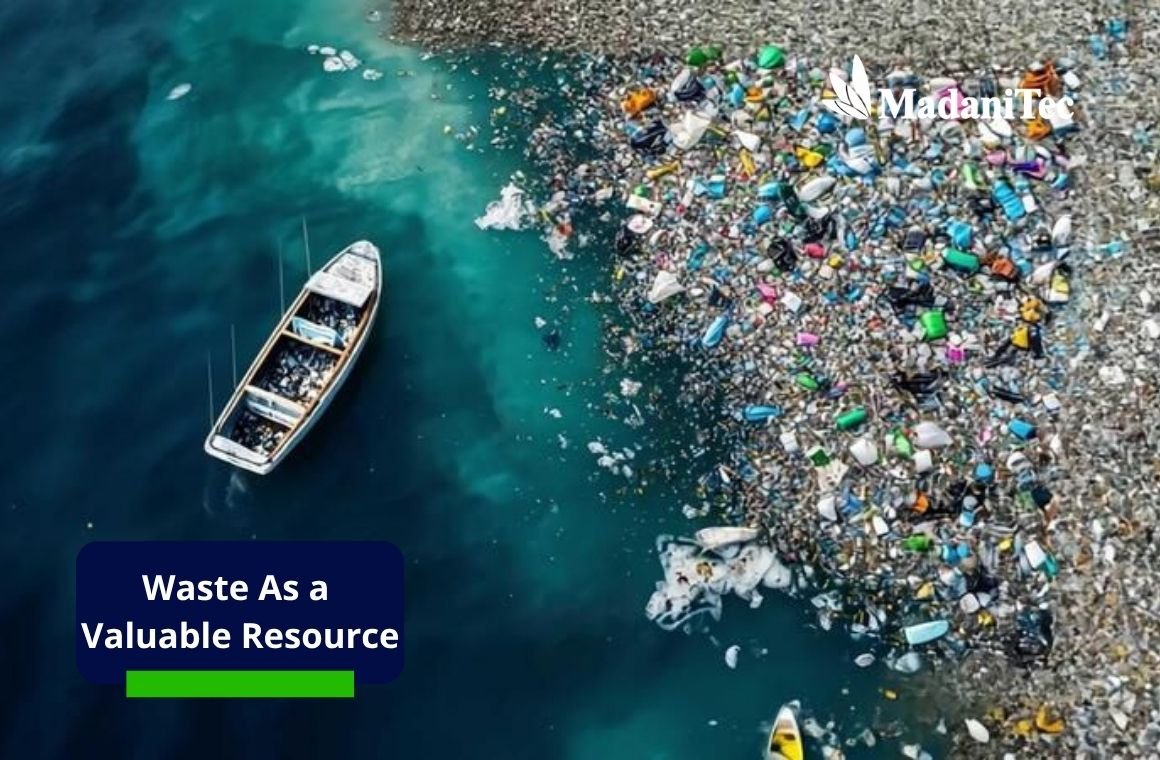
Plastic packaging, production scraps, and other plastic residues can potentially be sorted, reduced in size, and processed for recycling or other applications.
Paper and Cardboard
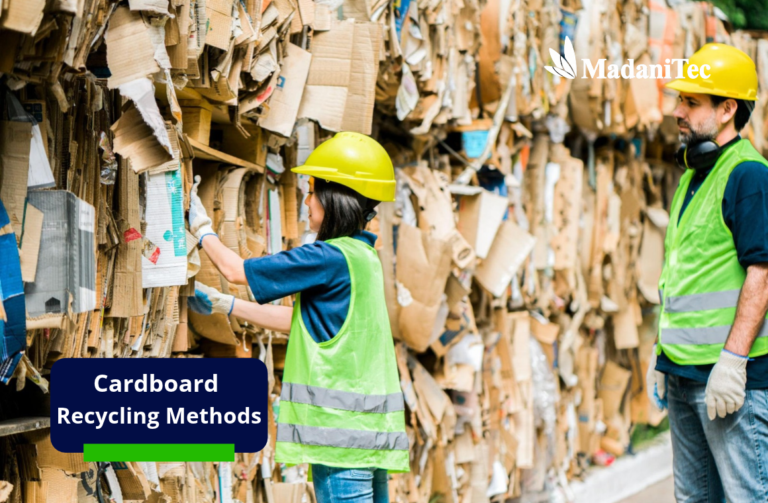
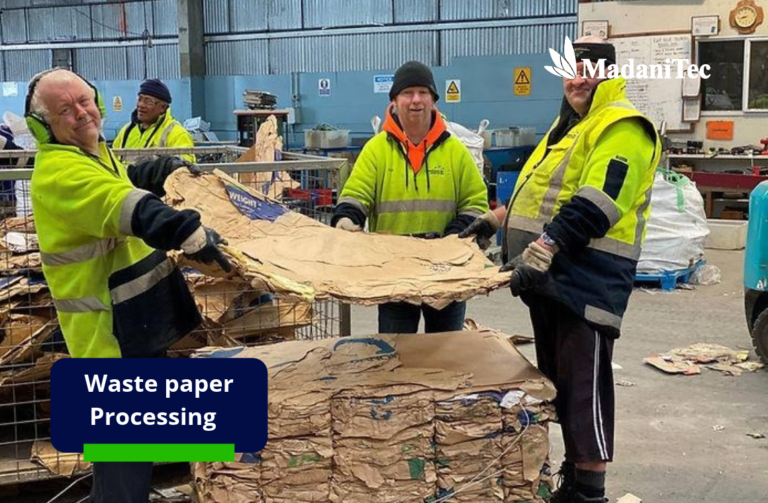
Paper and cardboard are commonly generated through packaging and industrial activities. When collected separately and kept relatively clean, these materials can be easier to recover and process into secondary raw materials.
Agricultural and Organic Waste
Agricultural activities and food-processing operations can generate significant quantities of organic residues.
Depending on their characteristics, these materials may have potential for composting, biomass applications, or other recovery processes.
Wood and Biomass Residues
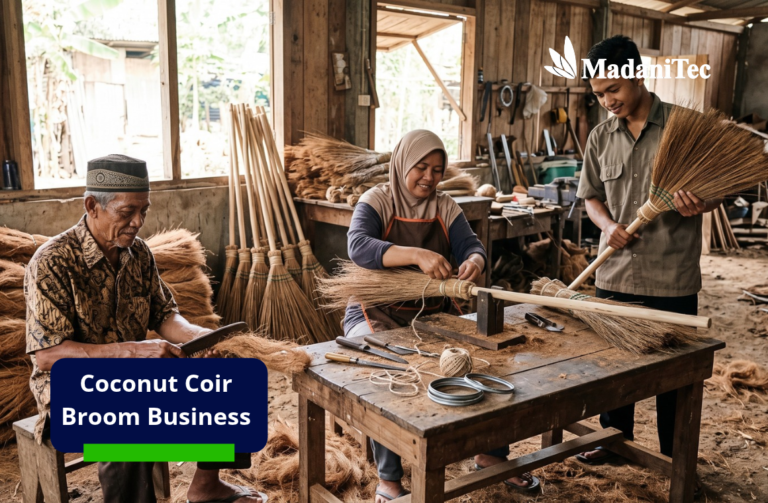
Wood scraps, sawdust, and agricultural biomass can also contain useful material value. Appropriate processing can prepare these residues for applications such as biomass-based products or other material uses.
How Is Technology Changing Waste Recovery?
Technology is becoming increasingly important because material recovery at industrial scale requires consistency, efficiency, and sufficient processing capacity.
Sorting Materials More Efficiently
Modern sorting technology can help separate different waste streams before further processing. More consistent separation can improve material quality and make subsequent recovery processes more efficient.
Reducing Waste Volume
Some industrial waste occupies considerable storage and transportation space. Processing methods that reduce material volume can make waste easier to store, transport, and handle.
Processing Waste Into New Materials
Shredding, compacting, grinding, and other processing methods can prepare waste materials for recycling, reuse, or further conversion.
This is where waste processing technology can help transform the concept of waste as a valuable resource into a practical industrial process.
Improving Consistency and Production Capacity
Technology can also reduce repetitive manual handling and provide more consistent processing. This becomes increasingly important when businesses need to handle larger waste volumes without creating operational bottlenecks.
Why Does Waste Recovery Matter for Industrial Businesses?
Waste recovery can provide benefits beyond environmental improvement. It can influence how efficiently a business uses materials, manages operating costs, and identifies new opportunities.
Reducing Disposal Costs
Reducing the quantity of material sent for final disposal can potentially lower costs associated with handling, transportation, and disposal.
Improving Material Efficiency
Recovery encourages businesses to examine where materials are being lost throughout the production process. What was previously considered unavoidable waste may reveal opportunities for better material utilization.
Creating Additional Economic Value
Recovered materials can potentially become secondary raw materials, products, or inputs for other businesses. This creates the possibility of generating additional value from materials that would otherwise be discarded.
Supporting More Sustainable Production
Resource efficiency is also closely connected to sustainable manufacturing.
UNIDO highlights cleaner production, resource efficiency, recycling, and circular economy approaches as important elements of sustainable industrial development.
What Is the Connection Between Waste Recovery and the Circular Economy?
The concept of waste as a valuable resource is closely connected to the circular economy. Instead of following a linear model of extracting resources, producing goods, and disposing of waste, circular systems attempt to keep materials in use for longer.
From Linear Production to Circular Systems
A circular approach looks for opportunities to return materials into productive cycles instead of treating disposal as the automatic final destination.
Keeping Materials in Use Longer
Reuse, recycling, recovery, and other circular strategies can extend the useful life of materials and reduce unnecessary resource consumption.
Reducing Dependence on Virgin Resources
When recovered materials can replace part of the demand for virgin resources, industries have another way to improve resource efficiency.
The OECD links circular economy approaches with maintaining the value of materials while minimizing resource consumption and waste generation.
Learn more about: How Technology Is Changing the Way Small Industries Produce and Grow
The Future of Industry: Seeing Waste as a Resource
The way industries view waste is changing. What was once considered an unavoidable production burden can increasingly be seen as a potential source of reusable materials, energy, and new economic opportunities.
However, turning waste into value requires more than simply collecting discarded materials. It involves suitable sorting systems, efficient processing technology, consistent quality control, and a clear understanding of the materials being recovered.
Market demand also plays an important role in determining whether recovered materials can be successfully returned to productive use.
Ultimately, waste as a valuable resource represents a broader shift in industrial thinking. The goal is not only to reduce the amount of waste generated, but also to identify opportunities to recover, process, and reuse materials before their potential value is lost.
For modern industries, the important question is no longer simply:
“How can we dispose of this waste?”
Instead, it is increasingly becoming:
“What value can we recover before this material is truly lost?”
This shift opens opportunities for businesses to improve resource efficiency while developing more sustainable approaches to production.
With the right technology and processing solutions, waste can become part of a more efficient and circular industrial system.
Madanitec provides technology and machinery solutions to support waste processing, material recovery, and the development of circular economy-based businesses in Indonesia.
From waste reduction to material processing, the right equipment can help businesses manage waste more effectively while exploring its potential value.
For information about suitable machinery and processing solutions, contact the Madanitec team via WhatsApp at 081215778768 Our team can help discuss the appropriate solution based on your waste materials, processing needs, and business requirements.