The growing amount of waste generated by households, businesses, and industries has created an urgent need for more efficient waste management systems. Traditional disposal methods can struggle to handle increasing waste volumes while also preserving valuable materials that could still be recovered.
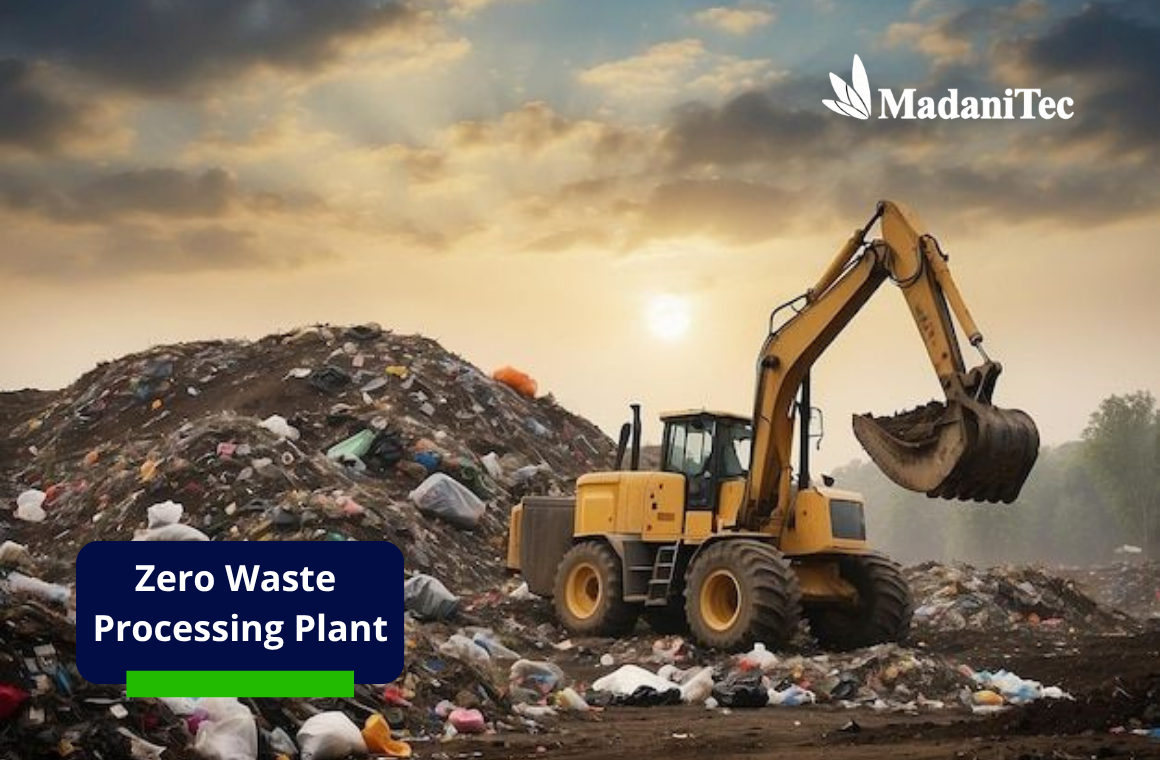
A zero waste processing plant offers a different approach. Instead of treating waste as something that simply needs to be discarded, it aims to process different waste streams so that more materials can be recovered, reused, recycled, or converted into useful resources. Supported by smart technology, this approach can contribute to a more sustainable and resource-efficient future.
What Is a Zero Waste Processing Plant?
A zero waste processing plant is a facility designed to minimize the amount of waste ultimately sent to disposal by integrating different waste processing and resource recovery activities.
The concept does not necessarily mean that absolutely no residual material will ever remain. In practice, zero-waste strategies focus on reducing disposal as much as technically and economically possible.
Depending on the type of waste being handled, a facility may include processes such as sorting, shredding, crushing, compacting, organic waste treatment, material recovery, and other forms of processing.
The objective is to create a more organized pathway from discarded materials to recovered resources.
How Does a Zero Waste Processing Plant Work?
The exact process depends on the waste stream and the technologies installed. However, an integrated facility generally involves several important stages.
Waste Sorting and Classification
Sorting is one of the foundations of effective waste processing. Incoming materials may contain plastics, cardboard, metals, organic matter, and other waste types.
Separating these materials allows each category to be directed toward a more appropriate processing method. Better sorting can also reduce contamination and improve the quality of recovered materials.
Material Size Reduction and Processing
Some materials require size reduction before they can be processed further. Shredders, crushers, and similar equipment can help transform bulky waste into smaller and more manageable pieces.
This stage can improve material handling and prepare waste for subsequent recovery or treatment processes.
Resource Recovery
After sorting and processing, materials with recovery potential can be directed toward recycling or other productive applications.
For example, certain plastic materials may be processed into recyclable feedstock, while cardboard and other materials can be prepared for further recycling.
Organic waste may follow a different treatment pathway depending on its composition and intended use.
Residual Waste Management
Even an advanced waste processing system may generate some residual material. The goal is to minimize this fraction and manage it responsibly.
A well-designed facility therefore considers the entire material flow rather than focusing on only one processing stage.
Learn more about: High Yield Plastic Recycling Machine: Powerful Technology for a Circular Plastic Economy
What Technologies Can Support Zero-Waste Processing?
Technology plays an important role in improving the efficiency of waste processing. Different machines can perform specific functions depending on the material being handled.
Sorting systems can help separate materials, while shredders and crushers can reduce waste size. Compaction equipment can reduce the volume of certain materials, making them easier to store and transport.
For organic waste, specialized processing technology may be used to prepare materials for further biological treatment or other applications.
The most suitable technology depends on the composition, moisture level, contamination, volume, and intended output of the waste stream. There is no single machine that can efficiently process every type of waste.
Why Is Smart Technology Important for Waste Processing?
Smart technology can help make waste processing more consistent and manageable. Automation, monitoring systems, and appropriate equipment configuration can support better control over processing operations.
One important benefit is processing efficiency. When equipment is properly matched to the material, businesses can establish a more predictable workflow and reduce unnecessary handling.
Smart technology can also support material recovery. Better separation and processing can make it easier to identify materials that still have economic or practical value.
Another consideration is data and process monitoring. As waste facilities become more advanced, monitoring operational performance can help identify bottlenecks and opportunities for improvement.
What Types of Waste Can Be Processed?
A zero-waste facility can potentially handle multiple waste streams, but the appropriate process depends on the characteristics of each material.
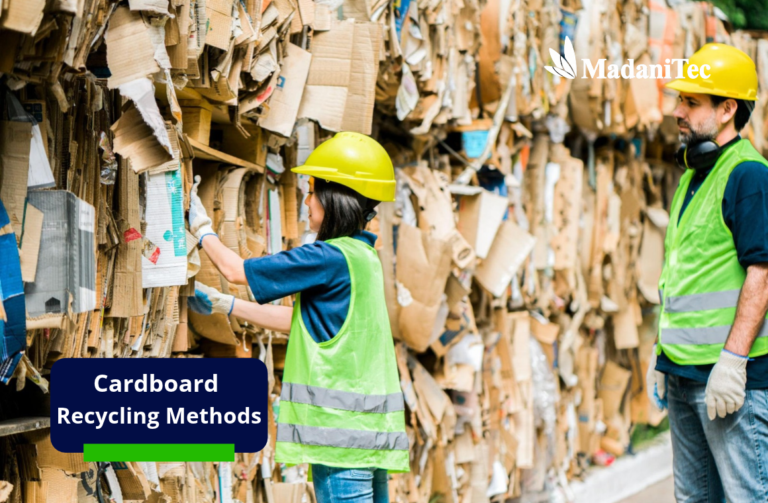
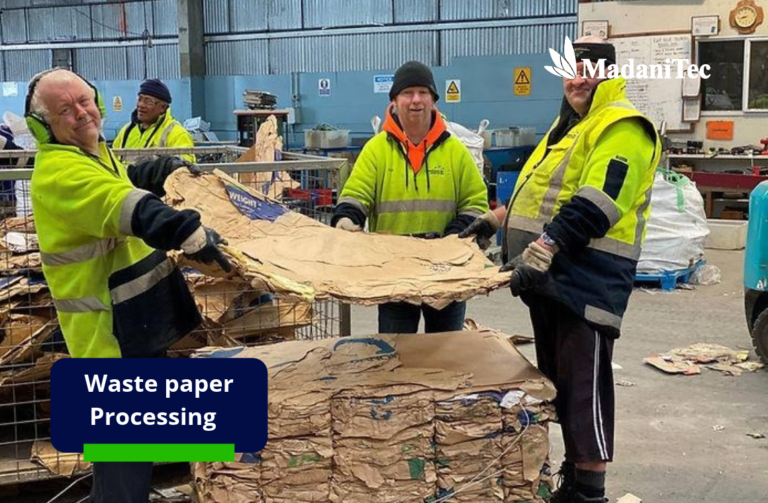
Plastic waste may require sorting, shredding, washing, or other preparation before recycling. Cardboard and paper-based materials may benefit from sorting and compaction.
Organic waste requires different treatment methods because of its biological characteristics and moisture content. Other materials, including metals and certain industrial waste streams, may require dedicated separation or recovery systems.
Understanding the material before designing the processing system is therefore essential.
Can Zero-Waste Processing Create New Business Opportunities?
Waste recovery can create opportunities for businesses that can transform discarded materials into useful inputs.
A well-organized processing facility may connect waste collection with recycling, material trading, manufacturing, or other resource-recovery activities.
This can create additional value from materials that might otherwise be treated purely as disposal costs.
However, the business potential depends on several factors, including the availability of waste, processing costs, equipment capacity, labor, transportation, recovered-material quality, and market demand.
Technology should therefore be viewed as part of a broader business model rather than an isolated investment.
Challenges of Developing a Zero-Waste Processing Plant
Building a more sustainable waste processing system also presents challenges.
Waste composition can change significantly from one location or business to another. Contamination can reduce recovery quality, while inconsistent waste volumes can make capacity planning more difficult.
Initial investment, maintenance, energy consumption, workforce requirements, and regulatory considerations also need to be evaluated.
For these reasons, businesses should study their waste characteristics and processing objectives before selecting equipment or designing a facility.
The Future of Smart Waste Processing
The future of waste management is increasingly connected to resource recovery. Instead of focusing only on collecting and disposing of waste, businesses and communities can look for ways to keep useful materials within the economy for longer.
Smart processing technology can support this transition by improving sorting, reducing material volume, increasing recovery opportunities, and creating more structured waste-processing workflows.
As circular economy principles continue to develop, integrated waste processing systems may become increasingly relevant for businesses seeking more efficient ways to manage resources.
Learn more about: Sustainable Waste Management Equipment: Smarter Solutions for a Cleaner Future
Conclusion: Moving Toward a More Sustainable Waste System
A zero waste processing plant represents a broader approach to waste management in which discarded materials are evaluated for their potential to be recovered, reused, recycled, or otherwise processed.
Smart technology can help make this approach more practical by supporting sorting, size reduction, material recovery, and more efficient waste handling.
However, successful implementation depends on choosing technology according to the actual characteristics of the waste and the desired processing outcome.
For businesses exploring waste processing or resource recovery, Madanitec develops technology solutions that can be considered according to specific material and operational requirements.
Starting with a clear understanding of the waste stream, processing capacity, and desired output can help create a more practical path toward efficient and sustainable waste management.
For consultations regarding machines and appropriate technology solutions for various processing and production needs, please contact the Madanitec team via WhatsApp at 081215778768.