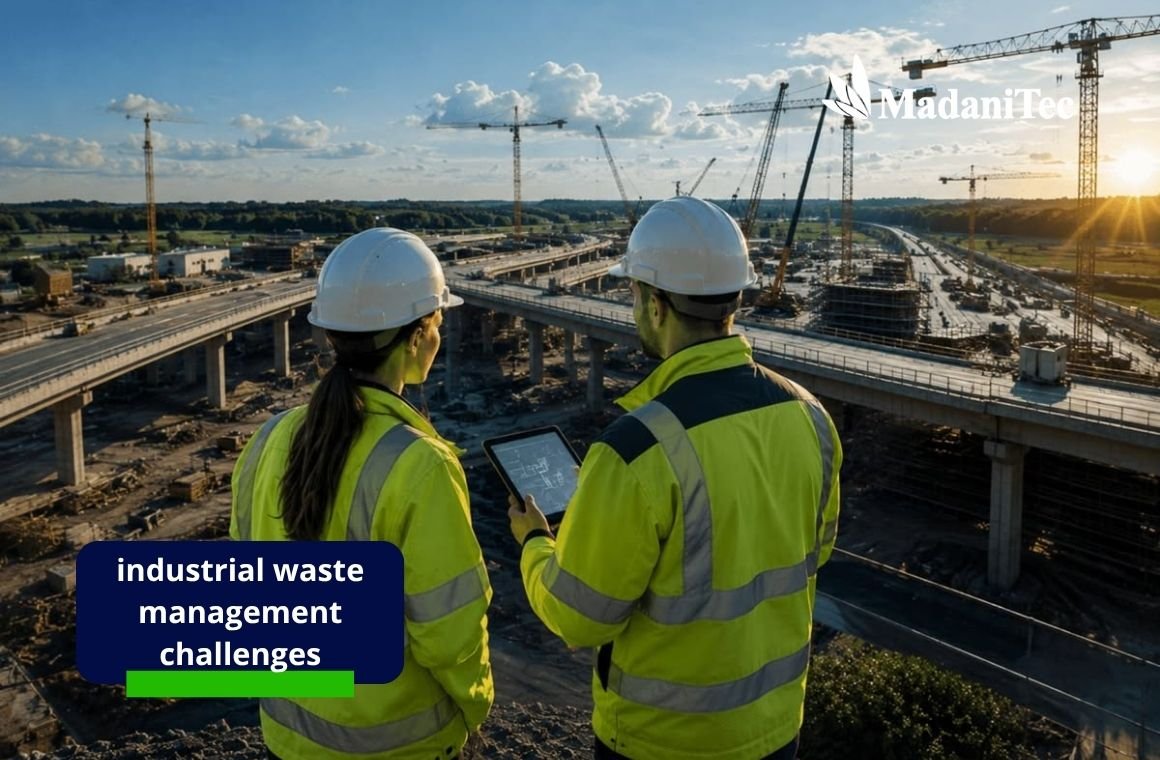
As industrial production grows, so does the amount of waste generated from materials such as plastic, cardboard, paper, wood, packaging, and organic residues, making industrial waste management challenges increasingly important for efficient operations.
Managing growing waste volumes involves more than collection and disposal, as industries also need to address storage space, transportation, sorting, processing capacity, and rising costs. Without an effective system, increasing waste can disrupt workflows and add unnecessary operational expenses.
Why Are Growing Waste Volumes Becoming a Challenge for Industries?
Production Growth Means More Waste
Higher production capacity generally means more raw materials are processed within a facility. Even when production processes are efficient, some materials will remain as packaging waste, production residues, rejected products, or processing by-products.
As a result, waste management needs to grow alongside production capacity. A system that works for a small production volume may become inefficient when the amount of waste increases significantly.
Waste Management Becomes More Complex as Volumes Increase
Growing waste volumes also make waste handling more complicated. Different materials may require different methods of collection, storage, transportation, and processing.
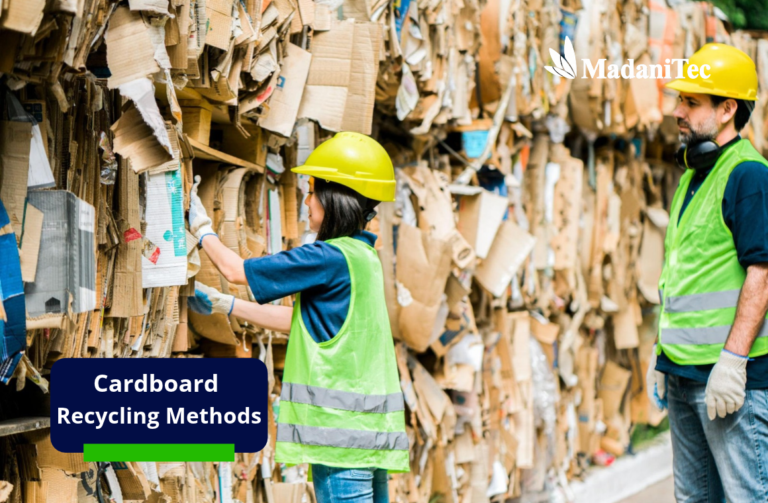
For example, plastic packaging cannot always be handled in the same way as cardboard, wood residues, or organic waste. Without proper separation, valuable materials can become contaminated or more difficult to process.
Why Traditional Waste Handling May No Longer Be Enough
Simply collecting waste and sending it away can become less practical as volumes increase. Businesses may need more storage space, more frequent transportation, and greater spending on disposal.
This is why modern industrial waste management increasingly focuses on reducing, sorting, processing, and recovering materials rather than relying entirely on disposal.
Learn more about: Why Waste Is Becoming a Valuable Resource for Modern Industries
What Are the 5 Main Industrial Waste Management Challenges?
1. Increasing Waste Volume
The first challenge is simply the growing quantity of waste. As production increases, waste can accumulate faster than existing handling systems can accommodate.
If waste processing capacity remains unchanged while production expands, bottlenecks can occur. This may result in temporary storage problems and inefficient material handling.
2. Limited Space for Waste Storage
Waste requires physical space before it can be transported or processed. When volumes increase, temporary storage areas can quickly become crowded.
Limited space can interfere with internal workflows, reduce available production areas, and make material separation more difficult. Efficient volume reduction can therefore become an important part of industrial waste management.
3. Rising Transportation and Disposal Costs
More waste usually means more frequent transportation or larger disposal requirements. These activities can create recurring operational expenses.
Reducing the amount of waste that needs to be transported can help businesses manage these costs more efficiently. Processing certain materials before transportation may also make handling and storage more practical.
4. Difficulty Sorting Different Waste Materials
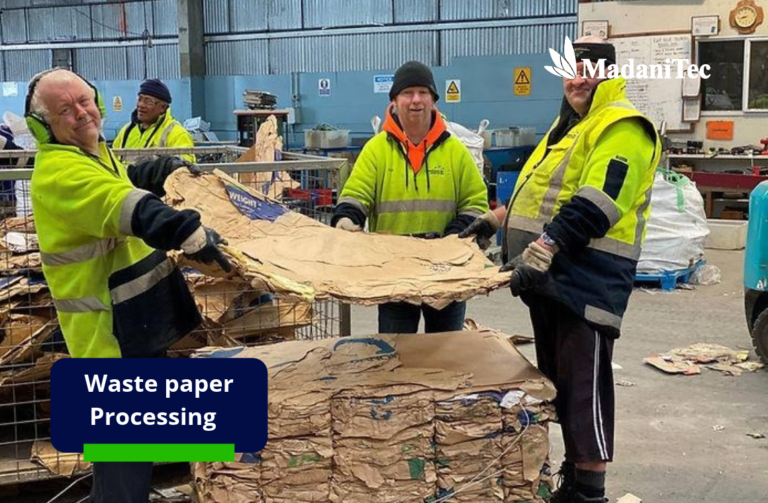
Industrial waste often consists of multiple material types. When plastic, cardboard, paper, organic materials, and other residues are mixed together, sorting becomes more complicated.
Proper separation is important because different materials may have different recovery or processing possibilities. Better sorting can also reduce contamination and improve the quality of materials that are recovered.
5. Maintaining Efficient and Consistent Waste Processing
As waste volumes grow, processing must remain consistent. Manual handling may become increasingly difficult when businesses need to process larger quantities within limited working hours.
This creates a need for processes that can handle higher volumes while maintaining consistent output. The appropriate solution depends on the type of waste, required capacity, available space, and intended use of the processed material.
How Can Growing Waste Volumes Affect Industrial Operations?
Higher Operational Costs
Waste management involves labor, transportation, storage, handling, and disposal. When waste volumes increase without improvements in the management system, these costs can gradually become more significant.
Reduced Use of Available Space
Large quantities of untreated waste can occupy valuable areas within a facility. Space that could otherwise support production, storage, or material handling may instead be used for temporary waste accumulation.
Disruptions to Production Activities
Poorly managed waste can interfere with internal movement and daily workflows. In some situations, workers may need to spend additional time handling waste instead of focusing on core production activities.
Greater Pressure on Environmental Performance
Industries are also facing increasing expectations to use resources efficiently and manage waste responsibly. Better waste management can therefore become part of a broader effort toward cleaner and more sustainable production.
Why Is Waste Sorting Important for Growing Industrial Waste?
Separating Materials at the Right Stage
Sorting waste early can make subsequent processing easier. Materials can be directed toward different handling or recovery processes according to their characteristics.
Reducing Contamination Between Materials
When different waste streams are mixed together, contamination can reduce the usefulness of recovered materials. Separation helps maintain better material quality and simplifies further processing.
Improving Material Recovery
Effective sorting can also help identify materials that still have potential value. Instead of treating every waste stream as the same, businesses can develop different approaches based on material type and processing potential.
How Can Technology Help Industries Manage More Waste?
Automating Waste Sorting
Waste sorting technology can help industries handle larger quantities more systematically. Automated or semi-automated systems can reduce dependence on manual sorting and improve consistency.
Reducing Waste Volume Through Processing
Some waste materials can be shredded, crushed, compacted, or otherwise processed to reduce their volume. This can make storage and transportation more manageable.
Increasing Processing Capacity
Technology can also help businesses process greater quantities within a defined period. This becomes particularly important when production expands and waste generation increases alongside it.
Creating More Consistent Waste Output
Consistent processing can make recovered materials easier to handle and potentially more suitable for subsequent applications.
The right equipment should therefore be selected according to the characteristics and volume of the waste being processed.
Learn more about: Can Technology Help Industries Reduce Waste Without Slowing Production?
What Should Industries Consider When Improving Waste Management?
Type and Characteristics of Waste
The first consideration is the material itself. Plastic, cardboard, organic waste, wood, and other materials have different processing requirements.
Daily Waste Volume
Businesses should also understand how much waste is generated each day. Capacity should reflect actual production conditions rather than relying only on occasional peak volumes.
Required Processing Capacity
Processing equipment needs to match the desired throughput. Choosing capacity that is too small can create bottlenecks, while excessive capacity may not be economically efficient.
Space and Workflow Requirements
Finally, the waste management system should fit the existing facility. Equipment placement, material flow, storage areas, and worker access all need to be considered.
Turning Growing Waste Volumes Into a More Manageable Process
Growing waste volumes are becoming a practical challenge for many industries, particularly as production capacity and material consumption increase.
The solution is not simply to remove waste faster, but to develop a more efficient system for sorting, reducing, processing, and managing materials throughout the production cycle.
The industrial waste management challenges faced by each business may be different, but the principle remains the same: waste management should evolve together with production.
With suitable processes and technology, industries can reduce handling difficulties, use space more efficiently, control operational costs, and manage growing waste volumes in a more sustainable way.
Madanitec provides technology and machinery solutions for businesses looking to improve waste processing and material handling.
The appropriate solution can be considered based on waste type, processing capacity, and operational requirements.
For consultation regarding waste processing machinery and suitable capacity, contact the Madanitec team via WhatsApp at 081215778768.