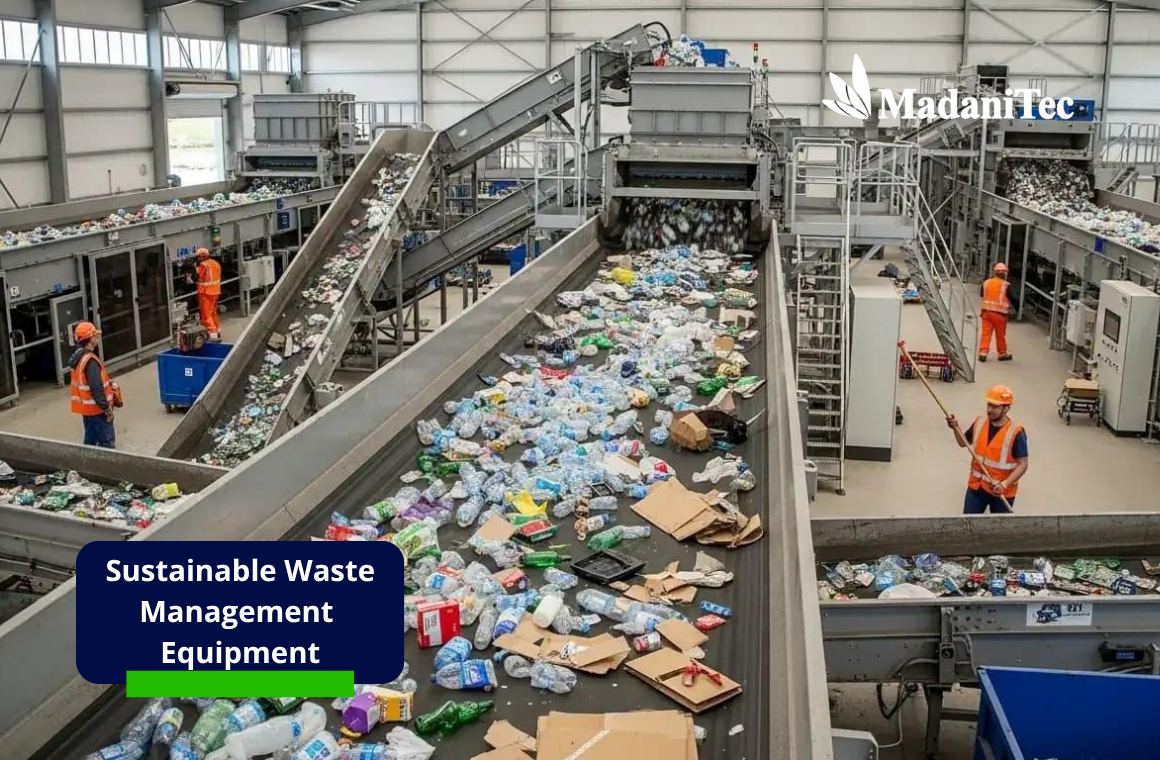
The growing volume of waste has become an important challenge for businesses, communities, and waste management operators. As consumption increases, traditional waste handling methods may struggle to keep up with the amount and variety of materials being discarded.
Technology can provide a more practical approach. Sustainable waste management equipment can help businesses handle waste more efficiently, reduce its volume, recover useful materials, and create better-organized processing systems. Rather than treating waste as something with no further value, modern waste management increasingly focuses on recovery, reuse, and resource efficiency.
What Is Sustainable Waste Management Equipment?
Sustainable waste management equipment refers to machinery and processing systems designed to support more efficient and environmentally responsible waste handling.
Depending on the type of waste, equipment may be used for sorting, shredding, crushing, pressing, separating, drying, or other forms of material processing.
Each process can serve a different purpose, from reducing waste volume to preparing recyclable materials for further use.
The goal is not simply to process a larger amount of waste. A sustainable approach also considers energy use, material recovery, operational efficiency, maintenance requirements, and the potential value of processed materials.
Why Is Sustainable Waste Management Becoming More Important?
Waste management is no longer limited to collection and disposal. Many businesses are looking for ways to reduce the amount of waste they generate while making better use of materials that can still be recovered.
This shift is closely connected to the principles of a circular economy. Instead of following a linear pattern of producing, using, and discarding products, circular systems aim to keep materials in circulation for as long as possible.
Effective processing equipment can support this transition by helping businesses separate, reduce, and prepare waste for recycling or other productive applications.
How Can Equipment Improve Waste Management Efficiency?
The right equipment can improve several stages of waste processing. However, its effectiveness depends on whether the technology matches the characteristics and volume of the waste being handled.
Reducing Waste Volume
Some waste materials occupy considerable space before processing. Shredding, crushing, or compacting can reduce their physical volume, making storage and transportation more manageable.
For businesses handling large quantities of waste, reducing volume can also help create a more organized working environment and improve the efficiency of subsequent processing stages.
Improving Material Separation
Mixed waste can be difficult to process efficiently because different materials require different handling methods. Separating waste according to material type can improve the quality of recovered resources.
Sorting equipment can help businesses establish a more structured workflow, particularly when recyclable materials are mixed together during collection.
Supporting Material Recovery
One of the most important benefits of modern waste processing is the ability to recover materials that might otherwise be discarded.
Plastic, cardboard, organic materials, and other waste streams may have different recovery pathways.
Processing equipment can help prepare these materials for recycling, reuse, or further treatment, depending on their condition and intended application.
Learn more about: How Modern Waste Sorting Technology Is Changing Recycling Efficiency
What Types of Waste Can Be Processed?
The appropriate technology depends heavily on the type of waste being handled.
Plastic waste may require sorting, shredding, washing, or other processing before it can be reused or recycled. Proper preparation can make the material easier to handle during subsequent stages.
Organic waste can also require specialized treatment. Depending on the application, organic materials may be processed to reduce their volume or prepare them for further biological or agricultural use.
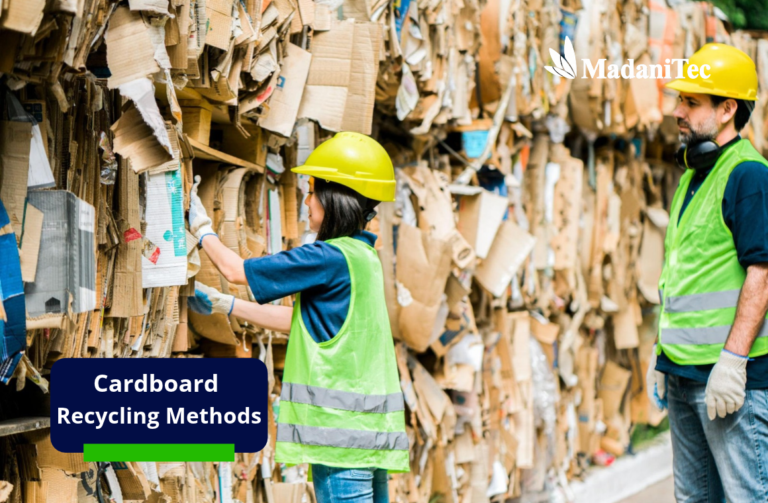
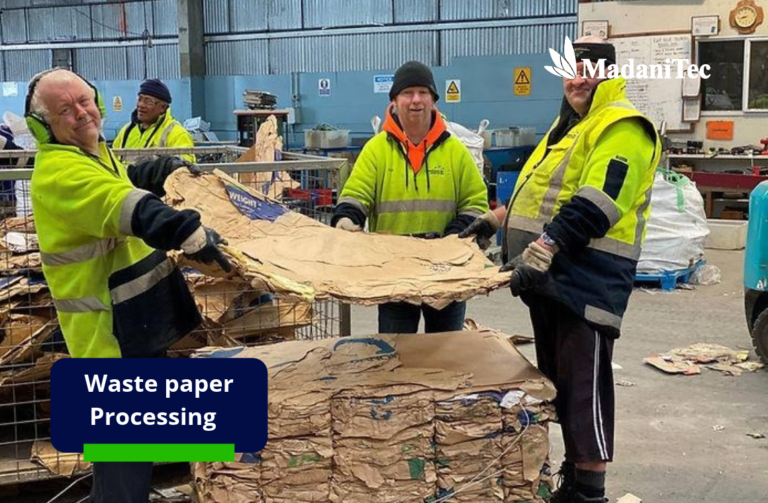
Cardboard and other recyclable materials can benefit from equipment designed to reduce volume and improve handling. Compaction, for example, can make certain materials easier to store, transport, and prepare for recycling.
Because waste characteristics vary significantly, businesses should avoid choosing equipment based only on general capacity claims. The actual material should be evaluated first.
What Should Businesses Consider When Choosing Waste Management Equipment?
Selecting the right technology requires more than looking at machine specifications. Businesses should consider several practical factors.
Waste characteristics are an important starting point. Material type, size, moisture, contamination, and physical condition can influence equipment selection.
Processing capacity should also match the actual volume of waste generated or collected. Equipment that is not properly matched to the workflow may create bottlenecks or unnecessary operating costs.
Energy and operating requirements deserve attention as well. A sustainable system should consider not only processing performance but also how the equipment fits into overall operational efficiency.
Finally, maintenance and long-term use should be considered before making a decision. Accessible maintenance, suitable replacement parts, and reliable technical support can contribute to more consistent operation over time.
Can Sustainable Waste Management Create Business Opportunities?
Waste processing can also create opportunities for businesses that are able to identify value in discarded materials.
When waste is properly sorted and processed, certain materials can become inputs for other production activities. This creates a connection between waste management and resource recovery.
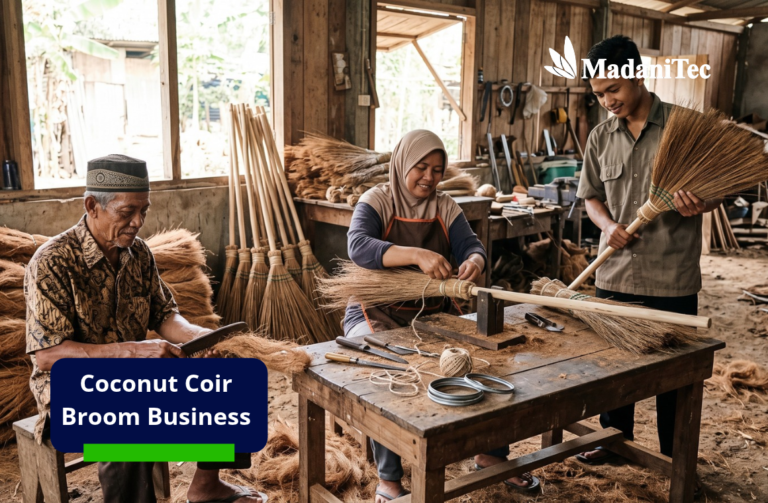
For small and medium-sized businesses, this approach can open opportunities in recycling, material collection, processing, and other circular-economy activities.
However, business viability still depends on factors such as material availability, processing costs, product quality, market demand, transportation, and operational management.
The equipment is therefore one part of a larger business system rather than a standalone solution.
Learn more about: 7 Small Business Ideas That Could Grow With Simple Technology
The Future of Sustainable Waste Processing
The future of waste management is likely to involve more efficient resource recovery and better integration between waste collection, processing, recycling, and reuse.
As businesses become more aware of material efficiency, technology can help transform waste management from a disposal-focused activity into a more structured resource-management process.
This does not mean that every waste stream can or should be recycled. Instead, the focus should be on identifying which materials can be recovered and selecting appropriate technology for their characteristics.
Conclusion: Choosing Technology for More Sustainable Waste Management
Effective waste management requires a combination of responsible practices, suitable infrastructure, and appropriate technology.
Sustainable waste management equipment can help businesses reduce waste volume, improve material separation, and support the recovery of resources that still have practical value.
The right choice should be based on the type of waste, processing capacity, operating requirements, maintenance considerations, and the desired outcome.
By approaching equipment selection as part of a complete waste management strategy, businesses can build more efficient and sustainable processing systems.
For businesses exploring waste processing or resource recovery, Madanitec provides technology solutions that can be considered according to specific material and operational requirements.
Starting with a clear understanding of the waste stream and desired processing results can make the journey toward more sustainable waste management more practical and effective.
For consultations regarding machines and appropriate technology solutions for various processing and production needs, please contact the Madanitec team via WhatsApp at 081215778768.